TL;DR: As of early 2024, and projected to continue into 2026 barring legislative changes, kratom is illegal in six states: Alabama, Arkansas, Indiana, Rhode Island, Vermont, and Wisconsin. In these states, kratom is classified as a controlled substance, and possessing or selling it can lead to serious legal penalties. Additionally, several other states have local bans at the city or county level, including specific areas within California, Florida, Illinois, and Mississippi. Always check local ordinances in addition to state laws before purchasing or traveling with kratom.
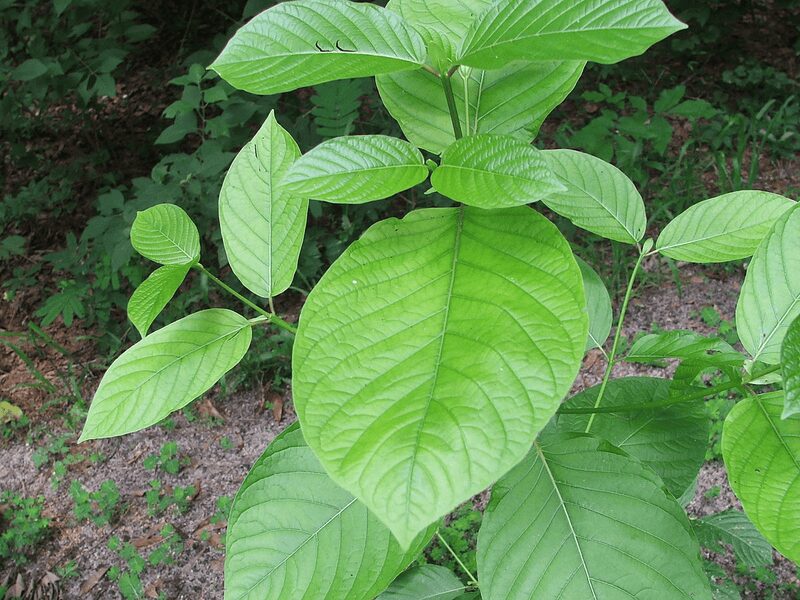
Kratom, a botanical substance derived from the leaves of the Mitragyna speciosa tree native to Southeast Asia, has gained significant attention in the United States. Traditionally used for centuries for its stimulant and pain-relieving properties, its popularity has surged as an alternative wellness product. Millions of Americans use kratom for various reasons, from managing chronic pain to boosting energy and mood. This growing use has placed it directly in the middle of a complex public health and legal debate.
The federal government has yet to take a definitive stance on the substance. The Drug Enforcement Administration (DEA) considered classifying kratom as a Schedule I drug in 2016 but withdrew its proposal after public and scientific feedback. The Food and Drug Administration (FDA) continues to express concerns about its safety and has not approved it for any medical use. This federal inaction has created a state-by-state patchwork of laws, leaving consumers and vendors to sort through a confusing and often contradictory set of regulations. Understanding this legal landscape is critical for anyone considering using or selling kratom.
The Six States with Statewide Kratom Bans
The most restrictive laws are found in six states that have enacted complete statewide prohibitions on the possession, sale, and distribution of kratom. In these jurisdictions, the plant’s active alkaloids, mitragynine and 7-hydroxymitragynine, are often listed as Schedule I controlled substances, placing them in the same legal category as heroin and LSD. The legal status in these states is clear: kratom is illegal everywhere within their borders.
Alabama’s Strict Stance
Alabama was one of the first states to take decisive action against kratom. In 2016, the state legislature passed a bill that officially added mitragynine and 7-hydroxymitragynine to its list of Schedule I controlled substances. This decision was based on concerns from law enforcement and some public health officials about the potential for abuse and dependency.
The consequences for violating this law are severe. Possession of kratom in Alabama is a Class D felony, which can result in one to five years in prison and fines up to $7,500. The sale or trafficking of kratom carries even harsher penalties. Advocacy groups have challenged this classification, arguing that it is disproportionate and fails to recognize the plant’s potential benefits, but the ban remains firmly in place.
Arkansas’s Controlled Substance Act
Similar to Alabama, Arkansas moved to ban kratom by adding its primary alkaloids to the state’s controlled substances list. The Arkansas Department of Health made this decision in 2015, effectively making the plant illegal to buy, sell, or possess. The state’s reasoning centered on the lack of FDA approval and reports of adverse effects.
Under Arkansas law, kratom is a Schedule I substance. Possession can lead to felony charges, with penalties varying based on the amount. A person caught with a small amount could face up to six years in prison and a $10,000 fine. These strict penalties reflect the state’s view of kratom as a dangerous and unproven substance with no accepted medical use.
Indiana’s Legislative Action
Indiana’s ban on kratom dates back to 2014, when lawmakers passed a bill that specifically named the plant and its alkaloids as synthetic or lookalike drugs. The law makes it a criminal offense to knowingly or intentionally manufacture, finance, deliver, or possess kratom.
The state classifies kratom as a Schedule I controlled substance, and the legal ramifications are serious. Simple possession is typically a Class A misdemeanor, which can carry up to a year in jail and a $5,000 fine. However, charges can be elevated to a felony depending on the quantity and if there is an intent to sell. Indiana’s law has been a model for other states considering a full prohibition.
Rhode Island’s Classification
In 2017, the Rhode Island Department of Health added mitragynine and 7-hydroxymitragynine to its list of controlled substances, making kratom illegal throughout the state. The decision was made through regulatory action rather than a legislative vote, which drew criticism from kratom advocates for a lack of public debate.
The state’s health officials cited safety concerns and the potential for abuse as the primary drivers for the ban. As a Schedule I substance, possessing kratom in Rhode Island can lead to significant criminal charges. The state’s firm position shows little sign of changing, despite ongoing efforts by advocacy groups to introduce regulatory frameworks instead of outright bans.
Vermont’s Unique Approach
Vermont’s prohibition on kratom is somewhat unique. The state did not pass a law specifically naming kratom. Instead, it banned one of its active alkaloids, 7-hydroxymitragynine, classifying it as a “regulated drug.” The law also contains broad language that bans any substance that is synthetically derived or any substance that is a synthetic analogue of another.
While kratom is a natural plant, state regulators have interpreted the law to include the entire plant, not just the isolated alkaloid. This interpretation effectively makes all kratom products illegal in Vermont. The ambiguity of the law has created confusion, but the outcome is the same: kratom is prohibited, and possession can lead to criminal charges.
Wisconsin’s Controlled Substances List
Wisconsin banned kratom in 2014 by adding its key alkaloids to the state’s Schedule I controlled substances list. The law makes it illegal to manufacture, distribute, or possess kratom. The decision was part of a broader legislative effort to address new and emerging substances of concern.
The penalties in Wisconsin are severe. Possession of kratom is a felony, punishable by up to 3.5 years in prison and a fine of up to $10,000. Lawmakers and health officials in the state have pointed to the lack of scientific consensus on its safety and efficacy as the justification for maintaining the ban.
Local Bans: Where Kratom Is Illegal in Certain Cities and Counties
The legal complexity of kratom extends beyond statewide bans. In several states where kratom is otherwise legal, individual cities and counties have enacted their own ordinances to prohibit it. This creates a confusing legal patchwork where a product can be legal to purchase in one town but illegal just a few miles away. This is especially important for travelers to consider.
California’s Patchwork of Regulations
While California has not banned kratom at the state level, a few key municipalities have. The most notable example is the city of San Diego, which included kratom in its ban on the sale, distribution, and possession of synthetic psychoactive compounds, often called “bath salts” or “spice.” Though kratom is a natural plant, it was grouped into this ordinance in 2016. The city of Oceanside has a similar ban. This means that within San Diego County, the legality of kratom can change from one city to the next.
Florida’s County-by-County Rules
Florida is a prime example of how local governance impacts kratom access. The state has no statewide ban, and several attempts to pass one have failed. However, a handful of counties have taken matters into their own hands. Sarasota County was one of the first in the nation to ban kratom in 2014, making it illegal to sell or possess. Union County, Collier County, and a few others have since followed suit.
This creates a high-risk situation for uninformed consumers. A person could legally purchase kratom in Tampa (Hillsborough County) and then face criminal charges for possessing it while driving through Sarasota County. This highlights the absolute necessity of checking local laws, not just state-level legislation.
Mississippi’s Local Prohibitions
Mississippi has one of the most fragmented legal landscapes for kratom. There is no statewide ban, but more than 20 cities and 10 counties have independently outlawed the substance. Prominent locations with bans include the city of Columbus and counties like Lowndes, Monroe, and Tishomingo. The sheer number of local prohibitions makes it difficult for residents and visitors to know where kratom is and is not permitted. The push for these local bans often comes from local law enforcement and health departments citing public safety concerns.
Other Notable Local Bans
Other states also have isolated local bans. For example, the city of Jerseyville, Illinois, has banned the sale of kratom. In Colorado, while kratom is legal statewide, the city of Denver has specific regulations. It is not an outright ban, but Denver prohibits the sale of kratom for human consumption and requires products to be labeled “not for human consumption.” Parker, Colorado, has a full ban. These local rules, whether full prohibitions or strict regulations, add another layer of complexity for consumers to understand.
Understanding the Kratom Consumer Protection Act (KCPA)
In response to the threat of state and federal bans, kratom advocates, led by the American Kratom Association (AKA), have championed a legislative solution known as the Kratom Consumer Protection Act (KCPA). Instead of prohibition, the KCPA focuses on regulation to ensure the safety and purity of kratom products sold to consumers. This approach aims to create a legitimate, transparent market while protecting public health.
Key Provisions of the KCPA
The KCPA is a model bill that states can adapt and enact. While the specifics can vary slightly from state to state, the core provisions are consistent and designed to address the main concerns raised by regulators.
- Age Restrictions: The KCPA makes it illegal to sell kratom to anyone under the age of 18 or 21, depending on the state’s version.
- Labeling Requirements: All kratom products must be clearly labeled with their ingredients, the amount of mitragynine and 7-hydroxymitragynine they contain, and directions for safe use.
- Prohibition on Adulterants: The act makes it illegal to sell any kratom product that is adulterated with dangerous non-kratom substances or contaminated with harmful levels of heavy metals or bacteria like salmonella.
- Vendor Registration: Some versions of the KCPA require vendors to register with a state agency, such as the Department of Agriculture or Health, to ensure compliance.
States That Have Adopted the KCPA
The KCPA has gained significant traction, representing a clear trend toward regulation over prohibition. As of early 2024, several states have passed versions of the act, including:
- Utah (the first state to pass the KCPA)
- Georgia
- Arizona
- Nevada
- Oklahoma
- Oregon
- Colorado (a modified version)
By passing the KCPA, these states have established a legal framework for kratom sales, providing consumers with assurances about product safety while allowing adults to continue accessing the plant.
The Impact of KCPA on the Industry
The adoption of the KCPA has had a profound impact. It helps legitimize the kratom industry by weeding out irresponsible vendors who sell contaminated or mislabeled products. For consumers, it provides a level of safety and transparency that is absent in an unregulated market. Furthermore, by creating a state-level regulatory system, the KCPA makes a federal ban less likely. The success of the KCPA in pioneering states serves as a powerful argument that regulation is a more effective and sensible approach than prohibition.
The Federal Government’s Position on Kratom
While states have been active in legislating kratom, the federal government’s position remains one of observation and caution. Kratom is not a federally scheduled controlled substance, meaning it is legal under federal law. However, key federal agencies have expressed significant concerns, and their actions continue to shape the national conversation.
The DEA’s Attempted Ban in 2016
The most significant federal action to date occurred in August 2016, when the DEA announced its intent to use its emergency scheduling authority to place kratom’s active alkaloids into Schedule I of the Controlled Substances Act. This move would have made kratom illegal nationwide overnight. The announcement triggered a massive public response, with tens of thousands of citizens contacting the DEA and Congress to protest the ban. Scientific and research communities also voiced opposition, arguing that a ban would stifle important research into kratom’s potential therapeutic benefits. In an unusual reversal, the DEA withdrew its notice of intent, opting instead for a formal public comment period.
The FDA’s Role and Warnings
The FDA has consistently taken a critical stance on kratom. The agency has issued numerous public health advisories and warning letters to companies marketing kratom with unproven medical claims. The FDA’s primary concerns revolve around the substance’s potential for abuse, addiction, and adverse health effects.
Additionally, the FDA has implemented an import alert for kratom, allowing officials to seize shipments at the border. The agency has also conducted tests on kratom products, finding some to be contaminated with heavy metals and salmonella. While the FDA has not moved to ban kratom outright, its public statements and regulatory actions have heavily influenced the debate and provided ammunition for those advocating for state-level bans.
Current Federal Status and Future Outlook
Currently, kratom remains in a state of legal limbo at the federal level. It is not scheduled, but it is also not regulated as a dietary supplement or food product. The future is uncertain. Congress could pass legislation to regulate kratom nationally, similar to the state-level KCPA. Alternatively, a future administration could direct the DEA or FDA to take more aggressive action. For now, the legal battle remains primarily at the state level, where the trend seems to be moving toward regulation rather than prohibition.
Penalties and Legal Consequences in Banned States
For individuals in the six states with full bans, the legal risks associated with kratom are substantial. Because it is often classified as a Schedule I substance, the penalties for possession or sale are comparable to those for other strictly controlled drugs. Understanding these consequences is essential for anyone living in or traveling to these states.
Misdemeanor vs. Felony Charges
The severity of the charge often depends on the specific state law and the amount of kratom involved. In some cases, simple possession of a small amount might be treated as a misdemeanor. For example, in Indiana, first-time possession is a Class A misdemeanor. However, in most banned states, including Alabama and Wisconsin, any amount of kratom possession is automatically a felony. A felony conviction carries life-altering consequences, including the loss of voting rights, difficulty finding employment, and potential prison time. Selling or trafficking kratom is almost always a felony with severe penalties.
Examples of Legal Penalties
The potential punishments for kratom-related offenses vary widely by state. A clear understanding of these differences can underscore the seriousness of the situation.
- Alabama: Possession is a Class D felony, carrying a sentence of 1 to 5 years in prison and up to $7,500 in fines.
- Arkansas: A Class D felony for possession, with potential prison time of up to 6 years and a $10,000 fine.
- Wisconsin: Possession is a Class I felony, punishable by up to 3.5 years in prison and a fine of up to $10,000.
- Indiana: Simple possession is a Class A misdemeanor (up to 1 year in jail, $5,000 fine), but it can be elevated to a felony if other factors are present.
These are not minor infractions. A person could face life-changing legal trouble for possessing a product that is sold legally in a neighboring state.
What to Do If You’re Traveling
Given the patchwork of state and local laws, traveling with kratom requires extreme caution. Before crossing state lines, it is crucial to research the laws of your destination and any states you will pass through. Never assume that because kratom is legal where you live, it is legal everywhere. Driving from a legal state like Georgia into a banned state like Alabama with kratom in your vehicle could lead to a felony arrest. The safest approach is to not carry kratom into any state or municipality where its legal status is uncertain or known to be illegal.
The Future of Kratom Legislation in the United States
The legal landscape for kratom is constantly evolving. Looking ahead to 2026, the key trends to watch are the continued push for regulation through the KCPA and the ongoing debates in states that have not yet taken a firm position. The future of kratom in the U.S. will be shaped by advocacy, scientific research, and public perception.
States Considering New Laws
Several states are currently in the midst of active debates about kratom’s legal status. States like Louisiana, Michigan, and Pennsylvania have seen repeated legislative battles, with bills introduced to both ban and regulate the substance. In many of these states, the outcome is uncertain. Public testimony from kratom consumers who rely on the plant for wellness often clashes with concerns from law enforcement and some medical professionals. The results of these debates will be critical in determining whether the national trend moves toward more bans or more regulation.
The Role of Advocacy Groups
Advocacy organizations, particularly the American Kratom Association, play a vital role in this process. The AKA actively lobbies at both the state and federal levels, promoting the KCPA as a sensible middle ground. They fund research, organize consumer testimonials, and work to educate lawmakers about the science behind kratom and the experiences of its users. The success or failure of their efforts in key states will likely influence the national direction of kratom policy for years to come.
Projecting to 2026: Trends to Watch
The primary trend heading into 2026 appears to be a slow but steady shift toward regulation. While the six states with existing bans are unlikely to reverse their positions without significant political pressure, it is equally unlikely that many new states will opt for complete prohibition. The KCPA has provided a viable alternative that addresses safety concerns without resorting to criminalization. As more states successfully implement these regulations, it becomes a more attractive model for others. The future of kratom legality will likely be decided not by adding more states to the “illegal” list, but by how many join the growing list of states that have chosen to regulate it.
States Where Kratom is Illegal in the United States in 2025 PDF
Conclusion
The legality of kratom in the United States is a complex issue defined by a patchwork of state and local laws. As of now, six states—Alabama, Arkansas, Indiana, Rhode Island, Vermont, and Wisconsin—maintain complete statewide bans, treating kratom as a controlled substance with severe penalties for possession. Beyond these states, numerous cities and counties have enacted their own local prohibitions, creating legal minefields for consumers. On the other side of the debate is the Kratom Consumer Protection Act, a regulatory framework adopted by a growing number of states to ensure product safety and consumer access.
Ultimately, the responsibility falls on the individual to stay informed. The legal status of kratom is dynamic, and laws can change. Before purchasing, possessing, or traveling with kratom, you must verify the most current laws for your specific location. Resources provided by advocacy groups like the American Kratom Association offer up-to-date maps and legislative news. Staying educated is the only way to safely and legally make decisions about kratom in the current environment.
Seek Justice for Kratom-Related Injuries or Losses – Act Now!
Have you or a loved one suffered injuries or tragic loss due to kratom use in Georgia or elsewhere? You may be entitled to compensation for medical expenses, emotional distress, or wrongful death. Our Experienced Kratom Attorney are here to investigate your case, hold negligent parties accountable, and fight for the justice you deserve. Time is critical, fill out our free, no-obligation consultation form today to discuss your kratom-related claim with our dedicated team. Don’t delay; complete the form below to take the first step toward recovery and accountability!