
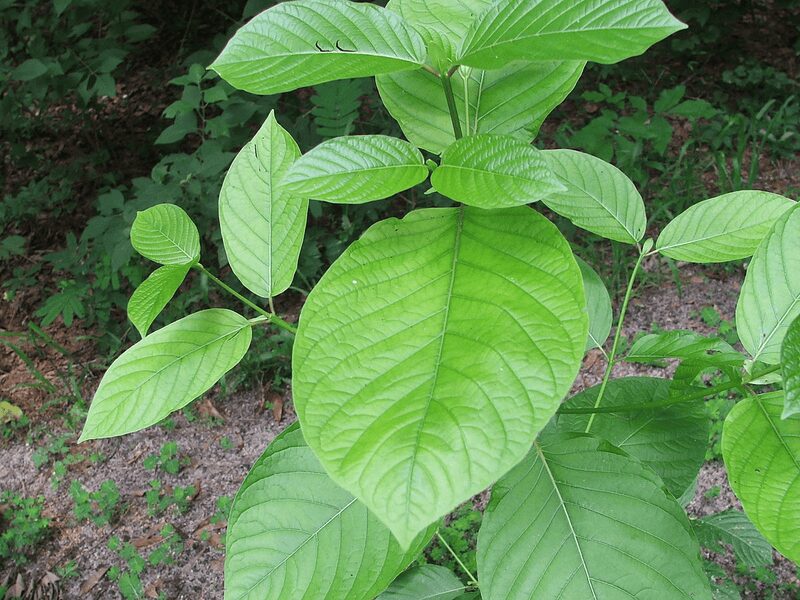
TL;DR: A kratom expert witness is a specialist with deep knowledge of kratom’s pharmacology, chemistry, cultural use, and regulatory status. They are crucial in legal cases involving kratom, such as criminal defense, product liability, and child custody disputes. These experts provide objective, evidence-based testimony to clarify complex scientific and regulatory information for judges and juries, helping them make informed decisions. Their role is to interpret lab results, explain kratom’s effects, and provide context on its typical use versus misuse.
The use of kratom, a plant known scientifically as Mitragyna speciosa, has grown significantly across the United States. This has led to a complicated legal environment where public perception, scientific understanding, and government regulation often conflict. While millions of Americans use kratom for various reasons, federal agencies like the Food and Drug Administration (FDA) have issued warnings about its safety, creating a landscape filled with uncertainty. This clash has inevitably spilled into the nation’s courtrooms.
When a legal dispute involves kratom, the lack of clear federal scheduling and the wide variance in state and local laws create major challenges. A case may hinge on questions of impairment, product safety, or a person’s fitness as a parent. Standard toxicologists or medical examiners may lack the specific knowledge to answer these questions accurately. This is where the role of a kratom expert witness becomes not just helpful, but often essential for achieving a just outcome based on scientific fact rather than public misconception.
What Is a Kratom Expert Witness?
A kratom expert witness is a professional with specialized knowledge in the pharmacology, toxicology, clinical effects, or regulatory aspects of kratom and its alkaloids, such as mitragynine and 7-hydroxymitragynine. These experts provide objective, evidence-based testimony in legal cases, regulatory hearings, or policy debates to clarify complex scientific and medical issues related to kratom. Their expertise is often sought in civil litigation, criminal cases, regulatory disputes, and product liability lawsuits where kratom’s safety, effects, or marketing practices are in question.
Kratom expert witnesses typically come from fields such as:
- Pharmacology and Toxicology: Experts in the chemical composition, mechanisms of action, and potential adverse effects of kratom alkaloids.
- Emergency Medicine and Addiction Medicine: Clinicians who understand kratom’s effects on patients, including intoxication, withdrawal, or overdose scenarios.
- Analytical Chemistry: Specialists in testing kratom products for contaminants, alkaloid content, or adulteration.
- Public Health and Epidemiology: Researchers studying kratom use patterns, prevalence, and public health impacts.
- Regulatory and Legal Policy: Professionals with experience in FDA regulations, dietary supplement laws, or controlled substance policies.
These experts are often board-certified, hold advanced degrees (e.g., PhD, MD), and have extensive research or clinical experience with kratom or related substances. For example, a board-certified toxicologist might testify about kratom’s interaction with opioid receptors, while an analytical chemist could analyze product purity in a liability case.
The Growing Need for Kratom Expert Witnesses
The demand for kratom expert witnesses has grown due to the increasing use of kratom and the controversies surrounding it. An estimated 1.7 million Americans aged 12 and older used kratom in 2021, according to the Substance Abuse and Mental Health Services Administration’s National Survey on Drug Use and Health. Globally, prevalence varies, with estimates ranging from 0.6% to over 10% depending on the region. This widespread use, coupled with a lack of uniform regulation, has led to legal and regulatory challenges, including:
- Wrongful Death Lawsuits: Cases where kratom is alleged to have contributed to fatalities, often involving polydrug use or product contamination. For instance, a 2023 lawsuit resulted in an $11 million award to a family after a woman’s death was linked to mitragynine intoxication, highlighting the need for expert testimony to clarify causation.
- Product Liability Claims: Lawsuits against manufacturers or distributors for mislabeling, adulteration, or failure to warn consumers about risks, such as potential liver toxicity or seizures.
- Criminal Cases: Disputes involving kratom use in the context of intoxication, drug testing, or alleged impairment, where experts interpret biospecimen results or assess kratom’s psychoactive effects.
- Regulatory Hearings: Discussions on whether to classify kratom as a controlled substance or regulate it as a dietary supplement, often involving testimony on its pharmacology and public health impact.
- Patent and Intellectual Property Disputes: Cases involving kratom-derived products or semi-synthetic alkaloids, requiring expertise in analytical chemistry or pharmacology.
The absence of FDA-approved kratom products and its classification as an unapproved drug or adulterated dietary supplement by the FDA further complicates these cases, necessitating expert witnesses to provide clarity.
Key Roles and Responsibilities of Kratom Expert Witnesses
Kratom expert witnesses play several critical roles in legal and regulatory settings:
1. Providing Scientific and Medical Clarity
Kratom’s complex pharmacology, involving interactions with opioid, serotonin, dopamine, and adrenergic receptors, requires expert interpretation. Experts explain:
- The pharmacological effects of mitragynine and 7-hydroxymitragynine, including their opioid-like properties at high doses and stimulant effects at low doses.
- Potential adverse effects, such as liver toxicity, seizures, or substance use disorder, and their rarity or association with polydrug use.
- Pharmacokinetic profiles, including drug-drug interactions with CYP3A4 and CYP2D6 enzymes, which may affect medications metabolized by these pathways.
For example, in a wrongful death case, an expert might testify whether kratom alone caused the death or if other substances were involved, using toxicological reports and peer-reviewed studies.
2. Analyzing Product Composition
Analytical chemists and toxicologists are often called to assess kratom products for contaminants (e.g., heavy metals, Salmonella) or adulteration with synthetic compounds. They may use techniques like infrared spectroscopy, Raman spectroscopy, or chromatographic methods to determine alkaloid content or identify unknown substances. Such analysis is crucial in product liability cases where mislabeling or contamination is alleged.
3. Evaluating Causation and Differential Diagnosis
In cases of alleged kratom-related harm, experts conduct differential diagnoses to determine whether kratom caused the reported symptoms or if other factors (e.g., co-occurring substance use, pre-existing conditions) were responsible. They substantiate their opinions with peer-reviewed literature and clinical data, addressing questions like:
- Did kratom use lead to intoxication or withdrawal symptoms?
- Was the product adulterated, contributing to adverse effects?
- Were reported deaths or injuries directly attributable to kratom?
4. Interpreting User Patterns and Surveys
Public health experts and epidemiologists provide insights into kratom use patterns, motivations (e.g., pain management, opioid withdrawal), and prevalence. Surveys indicate that many users experience benefits with minimal adverse effects, but escalating doses increase risks. Experts use this data to contextualize individual cases or inform regulatory discussions.
5. Advising on Regulatory and Policy Implications
In regulatory hearings, experts testify on kratom’s safety profile, potential therapeutic benefits, and public health risks. They may reference the World Health Organization’s 2021 decision not to list kratom as an internationally controlled substance, citing insufficient evidence of harm, or the FDA’s concerns about adverse events. Such testimony helps shape evidence-based regulations, balancing consumer access with safety.
6. Challenging Misinformation
Kratom’s legal status and effects are often misunderstood, as seen in inaccurate claims on social media or in case reports lacking context. Experts correct these by providing rigorous, evidence-based testimony, ensuring courts and regulators have accurate information.
Qualifications of a Kratom Expert Witness
1. Educational Background Requirements
Kratom expert witnesses typically possess advanced degrees in pharmacology, toxicology, chemistry, or related scientific disciplines. Most qualified experts hold doctoral degrees (Ph.D. or Pharm.D.) with specialized training in natural products research, ethnopharmacology, or psychoactive substances. Many have completed postdoctoral fellowships focusing on botanical medicine or drug metabolism studies.
The most credible experts maintain active research programs investigating kratom’s alkaloid content, pharmacokinetics, and therapeutic potential. They publish peer-reviewed studies in respected journals such as the Journal of Ethnopharmacology, Drug and Alcohol Dependence, or Psychopharmacology. This ongoing research demonstrates current knowledge of evolving scientific understanding about kratom’s mechanisms of action.
Professional certifications enhance expert credibility significantly. Board certification in toxicology (DABT), clinical pharmacology, or addiction medicine provides additional validation of expertise. Some experts also hold certifications from organizations like the American Board of Forensic Toxicology or the International Association of Forensic Toxicologists.
2. Research Experience and Publications
Courts expect kratom expert witnesses to demonstrate substantial research experience with the substance itself or closely related compounds. Qualified experts often have experience studying opioid receptor interactions, plant alkaloid pharmacology, or Southeast Asian traditional medicines. Their research portfolios should include both laboratory studies and clinical observations.
Publication records serve as crucial indicators of expert credibility. The most qualified witnesses have authored multiple peer-reviewed articles specifically addressing kratom’s pharmacology, safety profile, or clinical effects. They may have contributed to systematic reviews, meta-analyses, or regulatory submissions regarding kratom’s therapeutic potential.
Many experts also participate in professional conferences, presenting original research findings to scientific communities. Speaking engagements at meetings of the American Society for Pharmacology and Experimental Therapeutics, the College on Problems of Drug Dependence, or similar organizations demonstrate recognized expertise within relevant scientific fields.
Types of Legal Cases Requiring Kratom Expertise
1. Product Liability and Consumer Protection Cases
Product liability lawsuits involving kratom products frequently require expert testimony to establish causation, evaluate safety claims, and assess manufacturing standards. These cases often involve allegations that kratom products caused adverse health effects, addiction, or failed to meet consumer expectations regarding purity and potency.
Expert witnesses in product liability cases must evaluate complex questions about kratom’s safety profile, appropriate dosing guidelines, and quality control standards. They analyze laboratory testing data, review manufacturing processes, and assess whether product labeling accurately reflects contents and potential risks. Their testimony helps courts understand whether adverse events resulted from kratom consumption or other factors.
Consumer protection cases may involve claims about deceptive marketing practices, unsubstantiated health claims, or violations of dietary supplement regulations. Experts evaluate the scientific basis for marketing claims, assess compliance with FDA guidelines, and determine whether promotional materials accurately represent current scientific knowledge about kratom’s effects.
2. Criminal Defense and Prosecution Cases
Criminal cases involving kratom often require expert testimony to clarify the substance’s legal status, pharmacological effects, and potential for abuse. Defense attorneys may call experts to challenge charges based on kratom possession or distribution, particularly in jurisdictions where legal status remains unclear or recently changed.
Prosecution cases may involve allegations that kratom contributed to impaired driving, workplace accidents, or other criminal activity. Expert witnesses help courts understand kratom’s psychoactive effects, duration of action, and potential interactions with other substances. They may also testify about detection methods, interpretation of toxicology results, and correlation between kratom levels and impairment.
Some criminal cases involve disputes about kratom’s classification under controlled substance laws. Experts provide testimony about the substance’s pharmacological similarity to scheduled drugs, abuse potential, and public health risks. Their analysis of scientific literature and regulatory precedents helps courts interpret complex drug scheduling criteria.
3. Regulatory and Administrative Proceedings
Administrative law proceedings involving kratom regulation often require expert testimony to evaluate proposed rules, assess public health impacts, and analyze scientific evidence supporting regulatory decisions. State health departments, pharmacy boards, and other regulatory agencies rely on expert input when considering kratom scheduling or restriction proposals.
Expert witnesses in regulatory proceedings must demonstrate comprehensive understanding of drug scheduling criteria, risk assessment methodologies, and regulatory precedents. They evaluate epidemiological data, analyze adverse event reports, and assess kratom’s therapeutic potential relative to safety concerns. Their testimony influences policy decisions affecting millions of kratom consumers.
Federal regulatory proceedings may involve challenges to DEA scheduling proposals, FDA enforcement actions, or customs import restrictions. Experts provide scientific analysis supporting or opposing regulatory positions, helping administrative judges understand complex pharmacological and public health considerations underlying policy decisions.
4. Wrongful Death and Injury Lawsuits
These cases often allege that kratom caused or contributed to a death or injury. Experts analyze toxicological reports, medical records, and product samples to determine causation. For instance, in a 2021 case, a coroner attributed a death to mitragynine intoxication, but experts might argue that polydrug use or underlying conditions were factors.
5. Patent and Intellectual Property Disputes
With the rise of semi-synthetic kratom derivatives, experts in pharmacology or chemistry may testify in patent litigation, analyzing the composition and novelty of kratom-based products.
Notable Expert Witnesses in Kratom Litigation
The following individuals have been identified in connection with kratom litigation or regulatory discussions, based on available information from legal proceedings, news reports, and industry sources. Their expertise and contributions are summarized to highlight their importance in kratom-related legal cases.
- Enema Onojah John, PhD
- Affiliation: Natural Product Researcher, Department of Pharmacognosy and Natural Medicine, University of Uyo, Uyo, Nigeria.
- Expertise: Natural product drug discovery, pharmacognosy & Natural Product Chemistry Specialist
- Role in Litigation: Dr. Enema Onojah John applies his extensive expertise in natural product chemistry, including advanced techniques such as NMR spectroscopy, FTIR, GC-MS, and LC-MS, to assess kratom’s chemical composition, purity, and potential adulteration. His background in pharmacognosy and drug development enables him to evaluate manufacturing processes, dosing accuracy, and the pharmacological and toxicological implications of kratom products in wrongful death, product liability, and regulatory cases.
- Significance: His deep understanding of kratom’s alkaloid profile and safety risks is critical for litigation involving claims of contamination, adulteration, injury, or death. Dr. John provides objective, scientifically rigorous analysis that assists courts, attorneys, and regulatory bodies in accurately assessing the risks, pharmacological actions, and manufacturing integrity of kratom-related products.
- Emails: pgsjeonojah@uniuyo.edu.ng, enemaoj@gmail.com
- Oliver Grundmann, PhD
- Affiliation: Clinical Professor, Department of Medicinal Chemistry, College of Pharmacy, University of Florida
- Expertise: Pharmacology, toxicology, and clinical research on kratom
- Role in Litigation: Dr. Grundmann has authored 117 published papers, including 39 on kratom, and has testified or been deposed in two court cases over the past four years, focusing on the pharmacological effects of kratom. He is expected to testify on health risks posed by kratom, such as its opioid-like effects and potential for addiction, in cases like the criminal proceeding involving Sebastian Guthery in 2024.
- Significance: His extensive research and testimony provide scientific grounding for understanding kratom’s risks, particularly in criminal and product liability cases. His work is cited by the U.S. Department of Justice to support claims about kratom’s safety profile.
- Jack Henningfield, PhD
- Affiliation: Vice President of Research, Health Policy, and Abuse Liability, Pinney Associates
- Expertise: Behavioral pharmacology, substance abuse, and regulatory science
- Role in Litigation: Dr. Henningfield has contributed to developing regulatory frameworks for kratom safety, adopted by 11 states, and has worked on new dietary ingredient notifications for kratom to the FDA. He has provided testimony for the defense in kratom cases, advocating for its potential benefits and challenging claims of inherent danger.
- Significance: His expertise balances the narrative by highlighting kratom’s potential therapeutic uses, such as for opioid withdrawal, and his work influences regulatory discussions, making him a key witness in cases defending kratom’s legal status or use.
- Chris McCurdy, PhD
- Affiliation: University of Florida
- Expertise: Medicinal chemistry and pharmacology of kratom
- Role in Litigation: Dr. McCurdy presented at a 2024 Congressional Briefing on kratom science, discussing its pharmacological profile and potential benefits. While not explicitly named in specific lawsuits, his expertise is relevant for cases requiring detailed analysis of kratom’s chemical composition and effects.
- Significance: His research on kratom’s alkaloids, such as mitragynine, provides critical scientific context for litigation involving product safety or mislabeling claims.
- Ed Boyer, MD, PhD
- Affiliation: Ohio State University, Visiting Professor at Harvard School of Medicine
- Expertise: Emergency medicine and toxicology
- Role in Litigation: Dr. Boyer spoke at the 2024 Congressional Briefing, addressing risk factors like respiratory depression and challenging claims of significant harm from kratom. His clinical expertise is valuable in wrongful death or injury cases where causation is disputed.
- Significance: His testimony can clarify whether kratom alone causes severe adverse effects, often countering plaintiff claims by highlighting evidence that suggests minimal risk of respiratory depression.
- Kirsten Smith, PhD
- Affiliation: Johns Hopkins School of Medicine
- Expertise: Substance use disorders, kratom use disorder (KUD), and epidemiology
- Role in Litigation: Dr. Smith co-authored a 2025 review paper on kratom use disorder, proposing a clinical decision-making algorithm. She is set to present case studies on KUD at the ASAM 2025 Conference, which could inform litigation involving addiction or withdrawal claims.
- Significance: Her work on KUD assessment is critical for cases where plaintiffs allege addiction or dependency, providing a framework for clinicians and courts to evaluate kratom’s impact.
Types of Expert Witnesses Commonly Involved in Kratom Litigation
Kratom litigation encompasses a range of legal and regulatory issues, including wrongful death, product liability, criminal cases, and policy debates. The complexity of kratom’s pharmacology, regulatory status, and public health implications necessitates a diverse group of expert witnesses to provide specialized testimony.
- Pharmacologists and Toxicologists
- Role: Analyze the pharmacological properties of kratom’s primary alkaloids (mitragynine and 7-hydroxymitragynine), including their interactions with opioid, serotonin, dopamine, and adrenergic receptors. They assess potential toxicity, drug-drug interactions (e.g., via CYP3A4 and CYP2D6 enzymes), and adverse effects such as liver toxicity, seizures, or substance use disorder.
- Relevance: Critical in wrongful death and injury lawsuits to determine causation, in product liability cases to evaluate safety risks, and in criminal cases to assess intoxication or impairment. Their expertise helps clarify whether kratom’s effects are due to its inherent properties or external factors like polydrug use.
- Analytical Chemists
- Role: Examine kratom products for purity, contamination (e.g., heavy metals, Salmonella, or synthetic additives), and alkaloid content using advanced techniques like infrared spectroscopy, Raman spectroscopy, or liquid chromatography-mass spectrometry (LC-MS).
- Relevance: Essential in product liability cases involving allegations of mislabeling, adulteration, or failure to meet quality standards, as well as in regulatory disputes where product safety is contested.
- Emergency Medicine and Addiction Specialists
- Role: Provide clinical insights into kratom’s acute and chronic effects, including intoxication, withdrawal symptoms, and potential for kratom use disorder (KUD). They evaluate patient records and clinical presentations to assess kratom’s role in medical emergencies or addiction scenarios.
- Relevance: Vital in criminal cases involving alleged impairment or intoxication, as well as civil lawsuits claiming addiction or health complications from kratom use.
- Public Health and Epidemiology Experts
- Role: Study kratom use patterns, prevalence, and public health impacts, drawing on population-level data such as the 2021 SAMHSA National Survey on Drug Use and Health, which estimated 1.7 million U.S. users. They analyze user motivations (e.g., pain management, opioid withdrawal) and adverse event trends.
- Relevance: Inform regulatory hearings, class action lawsuits, and policy debates by providing data on kratom’s societal impact, risks, and benefits, particularly in discussions about consumer protection or potential bans.
- Regulatory and Policy Experts
- Role: Advise on kratom’s status under FDA regulations, dietary supplement laws, or controlled substance frameworks. They interpret FDA warnings, state-level regulations, and international policies, such as the World Health Organization’s 2021 decision not to schedule kratom.
- Relevance: Key in regulatory hearings to shape kratom’s legal status and in defending manufacturers or distributors against claims of regulatory non-compliance.
- Forensic Pathologists
- Role: Conduct autopsies and analyze post-mortem toxicology reports to determine the role of kratom in deaths or injuries. They assess whether kratom’s alkaloids directly caused adverse outcomes or if other substances or conditions were primary contributors.
- Relevance: Crucial in wrongful death lawsuits and criminal cases where causation is disputed, particularly when kratom is linked to fatalities alongside polydrug use.
- Neuroscientists
- Role: Investigate kratom’s effects on the central nervous system, including its interactions with opioid receptors and potential neuroprotective or neurotoxic effects. They study how kratom influences mood, cognition, and behavior at different doses.
- Relevance: Relevant in cases involving alleged neurological harm, cognitive impairment, or behavioral changes attributed to kratom use, particularly in civil or criminal litigation.
- Clinical Psychologists and Psychiatrists
- Role: Evaluate kratom’s psychoactive effects, including its potential to alleviate anxiety or depression versus risks of dependency or psychiatric complications. They assess mental health outcomes in users and provide insights into kratom’s role in substance use disorders.
- Relevance: Important in lawsuits alleging psychological harm or addiction, as well as in criminal cases where mental state or intent is a factor.
- Intellectual Property and Patent Experts
- Role: Analyze the chemical composition and novelty of kratom-derived products, such as semi-synthetic alkaloids or proprietary formulations, in disputes over patents or trade secrets.
- Relevance: Increasingly relevant as kratom-based products enter the market, particularly in litigation involving manufacturers seeking to protect intellectual property or challenge competitors’ claims.
- Consumer Safety and Product Standards Experts
- Role: Assess whether kratom products comply with Good Manufacturing Practices (GMP) and industry standards for dietary supplements or botanicals. They evaluate labeling accuracy, safety warnings, and production processes.
- Relevance: Central to product liability cases where plaintiffs allege inadequate warnings, poor manufacturing quality, or consumer harm due to non-compliance with safety standards.
- Biostatisticians
- Role: Analyze data from clinical studies, adverse event reports, or poison control center data to quantify kratom’s risks and benefits. They provide statistical rigor to claims about prevalence, adverse effects, or therapeutic outcomes.
- Relevance: Useful in class action lawsuits, regulatory hearings, or public health assessments to support or refute claims about kratom’s population-level impact.
- Ethnobotanists
- Role: Study kratom’s traditional use in Southeast Asia, its cultural context, and its botanical properties, providing historical and anthropological perspectives on its safety and efficacy.
- Relevance: Helpful in regulatory discussions or litigation defending kratom’s traditional use, particularly when arguing against blanket bans by highlighting its long history of safe consumption.
Challenges Faced by Kratom Expert Witnesses
Kratom expert witnesses face several challenges:
- Limited Clinical Data: While preclinical studies and user surveys exist, well-controlled clinical trials on kratom are scarce, making it difficult to draw definitive conclusions.
- Product Variability: Kratom products vary widely in alkaloid content, formulation (e.g., powder, extract, capsules), and potential adulteration, complicating assessments.
- Misinformation and Bias: Inconsistent case reports and public misconceptions (e.g., equating kratom with synthetic opioids) require experts to counter generalizations with rigorous evidence.
- Evolving Regulations: The lack of uniform global or national standards for kratom regulation creates uncertainty, as experts must navigate differing legal frameworks.
- Complex Pharmacology: Kratom’s multi-receptor interactions and dose-dependent effects (stimulant at low doses, opioid-like at high doses) require nuanced explanations.
The Science of Kratom: What an Expert Must Explain
The effectiveness of a kratom expert witness rests on their ability to communicate complex scientific principles clearly. Their testimony must be rooted in established pharmacology and toxicology, as these fields provide the objective data needed to evaluate a case. Without this scientific foundation, legal arguments can devolve into speculation.
Pharmacology and Alkaloid Profiles
A central point in many kratom cases is its relationship to opioids. An expert must be able to explain the pharmacology in detail. They will clarify that while mitragynine and 7-hydroxymitragynine do act on mu-opioid receptors, their mechanism of action is different from classical opioids like oxycodone or heroin. Key points an expert would cover include:
- Partial Agonism: Mitragynine is a partial agonist, meaning it activates the receptor but produces a “ceiling effect,” limiting its maximum impact compared to a full agonist.
- Biased Signaling: It preferentially activates certain cellular pathways (G-protein signaling) over others (beta-arrestin recruitment), which is believed to be responsible for a lower risk of respiratory depression, the primary cause of death in classical opioid overdoses.
- Alkaloid Synergy: The effects of kratom come from a combination of dozens of alkaloids, not just mitragynine. The expert can explain how this complex profile contributes to its overall effects.
Toxicology and Testing Methods
When a lab report is presented as evidence, it is crucial to understand what it truly shows. A kratom expert can interpret these reports for the court. They will discuss the differences between various testing methods, such as immunoassays (screening tests) and more precise methods like liquid chromatography-mass spectrometry (LC-MS). They will also emphasize the importance of quantitative analysis, which measures how much of a substance is present, over qualitative analysis, which simply confirms its presence. A small, residual amount of mitragynine from use days earlier has very different implications than a high concentration indicating recent, heavy consumption.
Dose-Dependent Effects and Potential for Impairment
One of kratom’s most unique features is its dose-dependent or biphasic effects. An expert will explain to the court that this is a well-documented phenomenon:
- Low Doses (1-5 grams): Typically produce stimulating effects, similar to coffee. Users often report increased energy, focus, and sociability.
- High Doses (5-15 grams): Tend to produce more sedating and analgesic (pain-relieving) effects.
This distinction is critical in a DUI case. The prosecution might argue that any amount of kratom is impairing. The expert can counter this by explaining that a low, stimulating dose is not associated with the kind of sedation or motor control loss that would make driving unsafe. They can relate the specific amount found in a toxicology report to the likely effects the individual was experiencing.
Selecting and Vetting a Credible Kratom Expert Witness
Choosing the right expert can make or break a case. An attorney needs someone who is not only knowledgeable but also credible, articulate, and able to withstand intense scrutiny during cross-examination. A thorough vetting process is essential to avoid hiring someone whose testimony will be easily discredited.
Essential Qualifications and Credentials
A strong kratom expert witness will have a combination of academic credentials and practical experience. Kratom Attorney should look for:
- Advanced Degrees: A Ph.D. in a relevant field such as pharmacology, toxicology, medicinal chemistry, or pharmacognosy is often a prerequisite.
- Peer-Reviewed Publications: The expert should have a track record of publishing research in reputable scientific journals, ideally with some publications directly related to kratom or its alkaloids.
- Professional Affiliations: Membership in respected scientific organizations like the Society of Toxicology (SOT) or the American Chemical Society (ACS) adds to their credibility.
- Testifying Experience: Prior experience providing testimony in depositions and at trial is valuable, as it shows they understand the legal process and can communicate effectively in a courtroom setting.
Red Flags to Watch For
Just as there are signs of a great expert, there are also warning signs of a poor one. Be cautious of individuals who:
- Act as a “Hired Gun”: An expert who exclusively testifies for one side (plaintiff or defense) may be perceived as biased. A credible expert should be willing to evaluate any case based on the evidence.
- Lack Specific Kratom Knowledge: A general toxicologist who has only recently read a few articles on kratom is not a true expert. Their shallow knowledge will be exposed during cross-examination.
- Have a History of Being Disqualified: Check the expert’s history for any Daubert or Frye challenges, which are legal motions to exclude expert testimony that is not based on sound scientific methodology.
- Rely on Anecdotal Evidence: An expert’s opinions must be based on scientific data, not personal stories or information from online forums.
The Vetting Process: Questions to Ask
During the initial consultation with a potential expert, an attorney should ask probing questions to assess their depth of knowledge and objectivity.
- “Can you describe the primary mechanism of action for mitragynine and how it differs from a classical opioid like morphine?”
- “What is your familiarity with the Kratom Consumer Protection Act and the states where it has been enacted?”
- “Have you published any research or given any academic presentations specifically on Mitragyna speciosa?”
- “How would you explain the concept of ‘biased agonism’ to a jury?”
- “What are the limitations of a standard urine drug screen for detecting and quantifying kratom use?”
The answers to these questions will quickly reveal whether the candidate has the specialized expertise required for the case.
The Impact of Regulatory Ambiguity on Legal Proceedings
The unsettled legal status of kratom in the United States is a major source of conflict and a key reason why expert testimony is so important. An expert must be able to clearly explain the complex and often contradictory regulatory environment to the court.
The Federal vs. State Law Conflict
At the federal level, kratom is not scheduled under the Controlled Substances Act. The Drug Enforcement Administration (DEA) attempted to place it on Schedule I in 2016 but withdrew the proposal after significant public and scientific pushback. However, the FDA continues to view it as a substance of concern. This federal inaction has left states to create their own laws. As a result, kratom is:
- Legal in the majority of states.
- Illegal in a handful of states (e.g., Alabama, Arkansas, Indiana).
- Regulated in a growing number of states that have passed the KCPA.
- Banned in specific cities or counties even within states where it is otherwise legal.
An expert witness must be able to testify to the precise legal status of kratom in the specific jurisdiction where the case is being heard.
The Kratom Consumer Protection Act (KCPA)
The KCPA is model legislation, promoted by consumer advocacy groups like the American Kratom Association, that is being adopted by states across the country. The act is designed to protect consumers by imposing regulations on the kratom industry. Key provisions typically include:
- Prohibiting the sale of kratom to minors.
- Requiring vendors to register with the state.
- Mandating lab testing to ensure products are free of contaminants.
- Requiring labels that list ingredients and alkaloid content.
- Banning the sale of dangerously potent or adulterated kratom products.
In a product liability case in a KCPA state, an expert can testify as to whether the product in question complied with these state-mandated safety standards. Compliance or non-compliance can be a critical factor in determining liability.
FDA Warnings and Their Role in Court
The FDA has issued numerous public warnings and import alerts related to kratom, often linking it to health problems and deaths. In court, a plaintiff’s attorney will almost certainly use these warnings to portray kratom as a dangerous substance. A defense expert must be prepared to provide context. They can do this by analyzing the data the FDA used, pointing out that in many of the reported death cases, other more dangerous substances were also present. The expert can present the broader body of scientific literature, which may not support the FDA’s most severe conclusions, to provide a more balanced and complete picture for the court.
Preparing Your Kratom Expert for Deposition and Trial
Once a qualified expert is retained, careful preparation is key to ensuring their testimony is effective and resilient. This involves a collaborative effort between the attorney and the expert to build a strong, evidence-based argument that will hold up in court.
Crafting a Defensible Expert Report
The expert report is the cornerstone of the expert’s testimony. It is a detailed document that outlines the expert’s qualifications, the materials they reviewed, their opinions on the case, and the scientific basis for those opinions. The report must be meticulously researched, clearly written, and thoroughly cited. The attorney should work with the expert to ensure the report directly addresses the key legal issues of the case and avoids making statements that go beyond the expert’s area of knowledge or the available evidence.
Anticipating Cross-Examination
The expert will face rigorous questioning from the opposing counsel, whose goal is to undermine their credibility and testimony. The attorney and expert should prepare for this by anticipating likely lines of attack. Common strategies used in cross-examination include:
- Questioning the expert’s qualifications or specific experience with kratom.
- Accusing the expert of bias, for example, by highlighting their fees or past work for similar clients.
- Using obscure or conflicting scientific literature to try to contradict the expert’s opinion.
- Attempting to get the expert to agree with broad, negative generalizations about kratom.
By role-playing the cross-examination, the expert can practice delivering calm, confident, and fact-based responses.
Using Demonstrative Aids
Scientific testimony can be dry and difficult for a jury to follow. Demonstrative aids are powerful tools for making complex information more engaging and understandable. An expert, with help from the legal team, can develop visual aids to illustrate key points.
Case Study Example: In a DUI case, an attorney is trying to explain why the amount of mitragynine in their client’s blood was not impairing. The expert witness uses a large, simple chart. One side shows a glass of wine, a can of beer, and a shot of liquor, all next to the “0.08 BAC” legal limit line. The other side shows a picture of a cup of kratom tea, with a label indicating the low mitragynine level found in the client’s blood, placed far below a hypothetical impairment threshold line. This visual comparison immediately helps the jury contextualize the toxicology report in a way that words alone cannot.
Conclusion
In the evolving legal and scientific landscape surrounding kratom, the role of a qualified expert witness is indispensable. They provide the scientific clarity and factual grounding necessary for the legal system to function fairly. By explaining the unique pharmacology of kratom, interpreting complex lab results, and providing crucial context on the regulatory environment, these experts ensure that judicial decisions are based on evidence, not on fear or misinformation. Their testimony can be the pivotal element in criminal defense, product liability, and family law cases involving this complex plant.
For any attorney or party involved in kratom-related litigation, securing a credible and articulate expert should be a top priority. The process of vetting and preparing this expert is a critical strategic investment. Taking the time to find a specialist with deep, demonstrable knowledge ensures that the court receives the most accurate and reliable information possible. In a field where facts are often obscured by controversy, the voice of a true expert is essential for justice.
If you or a loved one has been harmed by kratom, get in touch with our kratom attorney by completing the form below.
Key Resources
- American Kratom Association: Provides updates on kratom legality and advocacy efforts.
- National Institute on Drug Abuse (NIDA): Funds research on kratom’s pharmacology and use patterns.
- FDA Kratom Information: Outlines regulatory stance and safety concerns.
- Peer-Reviewed Journals: Sources like Frontiers in Pharmacology and Drug and Alcohol Dependence offer scientific insights.