
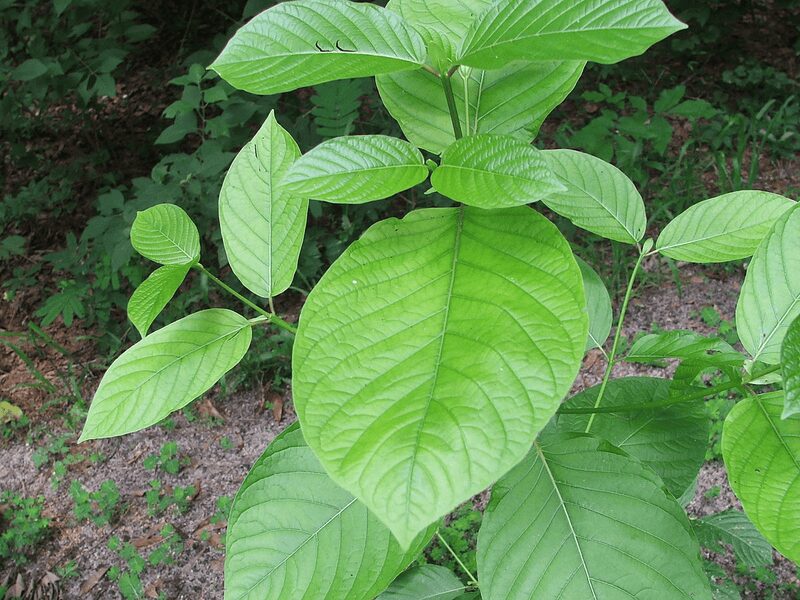
TL;DR: Yes, kratom is currently legal to buy, sell, and possess throughout Washington state for adults aged 18 and older. There are no statewide regulations governing testing, labeling, or purity. While Washington has previously considered the Kratom Consumer Protection Act (KCPA) to create a regulated market, it has not yet been passed. Looking toward 2026, the legal status is expected to remain stable, with ongoing efforts from advocacy groups to implement KCPA-style regulations for consumer safety.
Kratom, a botanical substance derived from the leaves of the Mitragyna speciosa tree native to Southeast Asia, has seen a significant rise in popularity across the United States. In the Pacific Northwest, and particularly in Washington, it is commonly found in smoke shops, herbal stores, and online marketplaces. Traditionally used for centuries for its unique properties, kratom now sits at the center of a complex public discussion, balancing personal freedom with consumer safety. This conversation is especially active in states like Washington, where the substance remains in a legal but unregulated gray area.
The national landscape for kratom is a patchwork of differing laws. While the federal government, through agencies like the FDA, has expressed concerns, it has not enacted a nationwide ban. This leaves the decision up to individual states, resulting in some states banning it, others regulating it, and many, like Washington, permitting it without specific oversight. This lack of a unified approach places the responsibility on consumers to understand their local laws and on legislators to consider the best path forward. The key question for Washington residents is not just about its current legality but what the future holds, as the push for sensible regulation continues to build momentum.
Is Kratom Legal in Washington?
As of June 2025, kratom is legal in Washington State for purchase, possession, sale, and use with no state-wide restrictions or age limits. Unlike states like Alabama, Arkansas, Indiana, Rhode Island, Vermont, and Wisconsin, where kratom is banned, Washington has not classified kratom as a controlled substance under the State of Washington Uniform Controlled Substances Act (RCW 69.50). This applies across all cities, including Seattle, Spokane, Tacoma, Olympia, and Everett, with no local bans in counties like King, Pierce, or Snohomish.
However, the absence of regulation raises concerns about product safety, as no government agency oversees the quality, purity, or labeling of kratom products in Washington. This unregulated status contrasts with states like Georgia, Arizona, and Utah, which have adopted the Kratom Consumer Protection Act (KCPA) to ensure testing, labeling, and age restrictions. Recent legislative efforts in Washington, including a proposed KCPA and a potential ban, signal an evolving landscape that consumers must monitor closely.
Current Legal Status of Kratom in Washington State
As of today, the answer to the question, is kratom legal in Washington?, is a clear yes. Adults 18 years of age or older can legally purchase, possess, and use kratom without fear of state-level criminal penalties. Washington is one of the many states that has opted not to prohibit the substance, allowing a market to flourish in cities from Seattle to Spokane. However, this legality comes with a major caveat: a complete lack of statewide regulation.
The absence of a state-managed regulatory framework means there are no official rules for how kratom must be processed, tested, or labeled. The government does not mandate purity checks, require disclosure of alkaloid content, or enforce good manufacturing practices. This places a heavy burden on the consumer to find trustworthy suppliers. While the market is open, it operates on an honor system, with product quality varying dramatically from one vendor to another.
Age Restrictions and Purchase Requirements
While the state of Washington has not passed a law mandating a specific age for kratom purchases, the industry standard is to restrict sales to adults. Most reputable brick-and-mortar stores and online vendors will not sell to anyone under 18, with many voluntarily adopting a 21-and-over policy to align with tobacco and cannabis laws. This self-regulation is a common practice in states without a formal Kratom Consumer Protection Act. When purchasing kratom in a physical store in Washington, you should expect to be asked for identification to verify your age.
Where to Buy Kratom in Washington
Kratom is widely available across Washington. You can find it in various retail locations, including:
- Smoke and Vape Shops: These are the most common places to find kratom products.
- Herbal and Wellness Stores: Some shops specializing in botanical supplements carry kratom.
- Convenience Stores and Gas Stations: While available, kratom sold in these locations is often of lower quality and may lack proper sourcing information.
- Online Retailers: A vast number of vendors sell kratom online and ship to Washington addresses. This is often where consumers find the best selection and quality, provided they vet the company carefully.
The risk in this unregulated environment is the potential for contaminated or adulterated products. Without state oversight, consumers must rely on the integrity of the vendor, making it crucial to research brands and look for those who provide transparent, third-party lab results.
The Push for Regulation: The Kratom Consumer Protection Act (KCPA)
While kratom is legal in Washington, many advocates and consumers argue that “legal but unregulated” is not the ideal situation. The solution proposed by the American Kratom Association (AKA) is the Kratom Consumer Protection Act (KCPA). This is a piece of model legislation that states can adopt to create a safe, transparent, and legal market for kratom products. It is designed to protect consumers from unsafe products while preserving access for adults.
The core goal of the KCPA is to hold vendors accountable and ensure that the products on shelves are pure and accurately labeled. It transforms the market from a “buyer beware” scenario into one where consumers can make informed decisions with confidence. Several states, including Oregon, Utah, and Arizona, have already passed versions of the KCPA.
The main provisions of a typical KCPA bill include:
- Prohibiting Sales to Minors: Establishes a clear legal age limit for purchasing kratom, usually 18 or 21.
- Mandatory Labeling Requirements: Requires all kratom products to be labeled with their ingredients, alkaloid content (specifically mitragynine and 7-hydroxymitragynine), and directions for use.
- Banning Dangerous Adulterants: Makes it illegal to sell any kratom product that contains dangerous non-kratom substances, synthetic alkaloids, or unsafe levels of contaminants like heavy metals or bacteria.
- Vendor Registration: Often requires businesses that sell kratom to register with a state agency, such as the Department of Health or Agriculture.
- Penalties for Violations: Establishes fines and other penalties for vendors who fail to comply with the law.
Washington’s Legislative History with the KCPA
Washington lawmakers have considered adopting the KCPA. In the 2021-2022 legislative session, House Bill 1772 was introduced. This bill contained all the standard provisions of the KCPA and was aimed at regulating the sale and distribution of kratom products in the state. The bill was sponsored by a bipartisan group of representatives, indicating a level of interest from both sides of the aisle in addressing the issue.
However, the bill did not advance out of committee and ultimately failed to become law. Legislative sessions are often crowded with competing priorities, and bills that are not considered urgent can stall. The failure of HB 1772 does not necessarily signal strong opposition to kratom regulation, but rather the challenges of moving any new regulatory bill through the legislative process. Advocacy groups remain hopeful that a similar bill will be reintroduced in a future session.
Benefits of KCPA for Consumers and the Industry
Adopting the KCPA would offer significant benefits. For consumers, it would mean a much safer market. They would no longer have to guess about the purity or potency of a product. Clear labeling and mandatory testing would remove contaminated and adulterated products from store shelves, reducing health risks. For the kratom industry, the KCPA provides legitimacy. It separates responsible vendors who are committed to quality from unscrupulous sellers who cut corners. This helps stabilize the industry and protects it from the negative press that often follows incidents involving contaminated products, strengthening the case against outright prohibition.
Federal Oversight and its Influence on Washington Law
While Washington state currently allows kratom, the federal government’s position casts a long shadow over its future. Two primary federal agencies, the Food and Drug Administration (FDA) and the Drug Enforcement Administration (DEA), have a significant influence on the national conversation surrounding kratom. Their actions could, at any point, supersede state law.
The FDA has maintained a consistently skeptical stance on kratom. The agency has issued numerous warnings about the substance, citing concerns about its potential for abuse and its opioid-like properties. The FDA does not recognize kratom as a legitimate dietary supplement and has issued import alerts to seize kratom shipments at the border. The agency often points to cases of salmonella contamination in kratom products as evidence of an unsafe and unregulated industry, using these incidents to bolster its calls for stricter control.
The DEA took a more aggressive step in 2016 when it announced its intent to classify kratom’s primary alkaloids, mitragynine and 7-hydroxymitragynine, as Schedule I substances. This would have placed kratom in the same category as heroin and LSD, making it federally illegal. The announcement triggered a massive public backlash, with tens of thousands of citizens and dozens of members of Congress protesting the move. In a rare reversal, the DEA withdrew its notice of intent, opting instead to allow for a formal public comment period.
How Federal Actions Could Impact Washington
A federal ban on kratom remains the most significant threat to its legal status in Washington. If the DEA were to successfully schedule kratom, or if Congress passed a law to ban it, all state laws permitting its use would become void. This would make possession and sale of kratom a federal crime everywhere in the country, including Washington. While this seems less likely today than it did in 2016, it remains a possibility that advocates and consumers monitor closely. The ongoing tension between state-level acceptance and federal-level concern creates an uncertain environment for the long term.
The World Health Organization (WHO) Decision
In a major development, the World Health Organization (WHO) Expert Committee on Drug Dependence reviewed kratom in late 2021. After examining the scientific evidence and public testimony, the committee concluded that there was insufficient evidence to recommend a “critical review,” the first step toward an international ban. The WHO’s decision not to recommend international control was a landmark victory for kratom advocates worldwide. This finding has helped temper some of the more alarmist rhetoric surrounding the substance and has provided strong support for the argument that regulation, not prohibition, is the most sensible path forward. This international decision lends credibility to states like Washington that have chosen to keep kratom legal.
Comparing Washington’s Kratom Laws to Neighboring States
Understanding the legal landscape in surrounding areas provides valuable context for Washington’s current and future approach to kratom. The Pacific Northwest presents a mix of regulatory strategies, offering a glimpse into the different paths Washington could take.
| State/Province | Legal Status | Regulation | Key Details |
|---|---|---|---|
| Washington | Legal | Unregulated | Legal for adults 18+. No state laws on testing or labeling. |
| Oregon | Legal | Regulated (KCPA) | The Kratom Consumer Protection Act is law. Sales are restricted to adults 21+. Products must be tested and labeled. |
| Idaho | Legal | Unregulated | Similar to Washington, kratom is legal statewide with no specific regulations. |
| British Columbia, Canada | Legal (with restrictions) | Health Canada Oversight | Kratom is legal to possess but cannot be sold for human consumption. It is often labeled “not for human consumption.” |
Oregon’s Approach
Oregon serves as a direct and influential example for Washington. In 2023, Oregon passed its own version of the Kratom Consumer Protection Act. The law, which is being implemented by the Oregon Department of Agriculture, establishes a clear regulatory framework. It mandates a minimum purchasing age of 21, requires all products to undergo lab testing for contaminants and alkaloid content, and enforces strict labeling standards. Oregon’s move to regulate kratom provides a working model for how a neighboring state can transition from an unregulated market to a safe and transparent one. This successful implementation could encourage Washington legislators to reconsider a similar bill.
Idaho’s Stance
To the east, Idaho’s kratom laws mirror Washington’s current situation. Kratom is legal across the state, but there is no KCPA or other state-level regulation in place. Like Washington, the market relies on vendor self-regulation. There have been some attempts by local jurisdictions in Idaho to ban kratom, but none have succeeded in passing a statewide prohibition. The state remains in a holding pattern, observing the actions of other states and the federal government.
British Columbia, Canada
Just across the northern border, the situation in Canada is different. Health Canada has not approved kratom as a health product for human consumption. While it is not illegal to possess, vendors are not permitted to market it as something to be ingested. Consequently, kratom sold in British Columbia is often packaged with a disclaimer like “not for human consumption” and sold as an ingredient for aromatherapy or research. This approach creates a confusing market and highlights the need for clearer regulations on both sides of the border.
Potential Legal Changes and Predictions for 2026
Looking ahead to 2026, the legal landscape for kratom in Washington is more likely to evolve through regulation than through prohibition. While an outright ban is always a possibility, especially if prompted by federal action, the current momentum in both Washington and other states is moving toward consumer protection.
The most probable scenario for Washington by 2026 is the successful passage of a Kratom Consumer Protection Act. The groundwork has already been laid with previous bills like HB 1772. As more states like Oregon demonstrate the benefits of a regulated market, the arguments in favor of the KCPA become stronger and more persuasive for Washington lawmakers. Advocacy from the American Kratom Association and local consumer groups will continue to be a driving force, educating legislators and pushing for a new bill to be introduced.
An outright ban seems unlikely without a significant catalyst. Such a move would go against the regional trend and would likely face strong opposition from the thousands of Washington residents who use kratom. A ban would also create an illicit market, which often leads to more dangerous products and removes any possibility of state oversight or tax revenue.
Factors Influencing Future Legislation
Several key factors will shape the future of Washington’s kratom laws:
- Actions in Neighboring States: Oregon’s successful implementation of the KCPA will serve as a powerful case study for Washington.
- Public Health Data: Any significant public health incidents linked to unregulated kratom could either accelerate the push for regulation or, in a worst-case scenario, trigger calls for a ban.
- Federal Agency Stance: A renewed push for a federal ban by the FDA or DEA would immediately change the conversation in every state.
- Advocacy Efforts: The continued work of organizations like the AKA in lobbying and public education is crucial to keeping regulation on the legislative agenda.
What Consumers Can Expect by 2026
By 2026, Washington kratom consumers can realistically hope for a safer and more transparent market. If the KCPA is passed, they will see products on shelves with clear labels detailing alkaloid content and confirming that they have been tested for contaminants. The days of buying a product with no information about its origin or purity would be over. If the status quo remains, consumers will need to continue being diligent, but the number of vendors adhering to the AKA’s Good Manufacturing Practices (GMP) program is likely to grow as it becomes the industry standard for quality.
Navigating the Unregulated Market Safely in Washington
Until Washington passes the KCPA, consumers must take extra precautions to ensure they are purchasing safe, high-quality kratom. In an unregulated market, the difference between a responsible vendor and a careless one can be significant. Empowering yourself with knowledge is the best way to stay safe.
The most important step is to buy from vendors who are transparent about their products and processes. Responsible companies understand the concerns of consumers and will go out of their way to provide reassurance. Avoid any company that seems secretive or makes outlandish claims about its products.
Identifying Reputable Vendors
The best indicator of a trustworthy vendor is certification from the American Kratom Association’s GMP Standards Program. This is a voluntary program where vendors agree to have their manufacturing processes audited by a third party to ensure they meet strict quality control and safety standards.
A GMP-certified vendor commits to:
- Testing Every Batch: Lab testing for contaminants like heavy metals, salmonella, and E. coli, as well as for alkaloid content.
- Proper Handling and Labeling: Following strict procedures for processing, packaging, and labeling products.
- Traceability: Using lot numbers to track each batch from its source to the final product.
You can find a list of GMP-qualified vendors on the AKA’s website. Choosing one of these companies is the single most effective way to reduce your risk.
Red Flags to Watch For
When shopping for kratom, be wary of the following red flags:
- Illegal Health Claims: The FDA prohibits vendors from making medical claims about kratom. If a company advertises its product as a “cure” or “treatment” for any disease, it is violating federal law and should not be trusted.
- No Lab Results: Reputable vendors will make their Certificate of Analysis (lab test results) for each batch readily available, often through a QR code on the package or on their website. Avoid any vendor that is unwilling to share these results.
- Unprofessional Packaging: Poorly designed or amateurish packaging can be a sign of a company that does not take its business or product safety seriously.
- Vague Product Information: Be cautious of products labeled as “super enhanced” or “ultra-potent” without specific information on what makes them so. These products may contain concentrated extracts or, in the worst cases, undisclosed adulterants.
The Role of Advocacy in Shaping Washington’s Kratom Future
The future of kratom in Washington will not be decided in a vacuum. It will be shaped by the active participation of consumers, vendors, and advocacy organizations. The story of the DEA’s reversed ban in 2016 is a powerful testament to the impact that an engaged community can have on public policy. For those who believe in safe and legal access to kratom, getting involved is essential.
The American Kratom Association is the leading national organization fighting for kratom legality and regulation. They employ lobbyists, fund scientific research, and coordinate grassroots campaigns to educate lawmakers and the public. Supporting the AKA, either through donations or by participating in their calls to action, is a direct way to contribute to the effort in Washington and across the country.
On a local level, Washington residents can have a significant impact. The most effective advocacy is often personal. Sharing your story with your state representatives and senators can help them understand why their constituents value kratom. A personal, respectful letter or email explaining how kratom has been beneficial can be far more powerful than a generic form letter.
How to Support Kratom Regulation
If you want to help bring the KCPA to Washington, consider taking these steps:
- Contact Your Legislators: Find your state representative and senator and let them know you support the Kratom Consumer Protection Act. Explain that you want a market that is safe and regulated, not prohibited.
- Share Your Story: If you are comfortable doing so, share your personal experience with kratom. Testimonials are a powerful tool for changing hearts and minds.
- Support Good Vendors: Purchase kratom exclusively from vendors who are AKA GMP-certified. Supporting responsible businesses helps raise the standards for the entire industry.
- Stay Informed: Follow the AKA and other kratom news sources to stay up-to-date on legislative developments in Washington and at the federal level.
By taking these actions, the kratom community in Washington can work together to build a future where kratom is not just legal, but also safe, transparent, and responsibly regulated for all adults.
Historical Context of Kratom in Washington
Washington’s permissive stance on kratom aligns with its progressive approach to natural substances, as evidenced by its early legalization of recreational cannabis in 2012 (RCW 69.50.4013). Kratom has faced minimal legislative scrutiny in the state, with no historical attempts to ban it outright until recent developments. Unlike neighboring Oregon, which passed a version of the KCPA in 2022 (Or. Rev. Stat. § 475C.910), Washington has not implemented state-wide regulations, leaving kratom in a legal gray area.
In 2016, the Drug Enforcement Administration (DEA) proposed classifying kratom as a Schedule I substance nationwide, citing its opioid-like effects and potential for abuse (81 Fed. Reg. 59929). The proposal was withdrawn after significant public backlash, including advocacy from the American Kratom Association (AKA) and over 23,000 comments, many from Washington residents who valued kratom for pain management or opioid withdrawal. Since then, Washington’s legislature has not placed kratom on the controlled substances list, maintaining its legal status.
Recent Legislative Developments: Washington, DC Kratom Laws
Washington Senate Bill 5941 (SB 5941): Proposed Kratom Consumer Protection Act (SB 5491)
Washington Senate Bill 5941 (SB 5941), introduced in January 2022 by Senator Honeyford, aimed to establish the “Washington Kratom Consumer Protection Act.” The bill sought to regulate the manufacture, distribution, and sale of kratom products to ensure consumer safety and product integrity. Although the bill did not advance beyond the Senate Law & Justice Committee and ultimately did not become law, its provisions outlined a comprehensive framework for kratom regulation in the state.
Key Provisions
- Definitions and Scope
SB 5941 provided clear definitions for terms related to kratom regulation:
- Kratom Product: Any product intended for human ingestion that contains any part of the leaf of the plant Mitragyna speciosa or kratom extract.
- Kratom Extract: A substance or compound intended for human ingestion that is derived from, or made by, any part of the leaf of the plant Mitragyna speciosa.
- Kratom Processor: A person who sells, prepares, manufactures, distributes, or maintains kratom products, or advertises, represents, or holds oneself out as selling, preparing, or maintaining kratom products.
- Retailer: Any person who sells, distributes, advertises, represents, or holds oneself out as selling or maintaining kratom products.
- Product Safety Standards
The bill prohibited kratom processors from preparing, distributing, selling, or exposing for sale any kratom product that:
- Is adulterated with a dangerous non-kratom substance that affects the quality or strength of the product to such a degree as to render it injurious to a consumer.
- Is contaminated with a dangerous non-kratom substance, including poisonous or otherwise deleterious non-kratom ingredients.
- Contains levels of residual solvents higher than allowed in the United States Pharmacopeia general chapter 467.
- Contains a level of 7-hydroxymitragynine in the alkaloid fraction greater than two percent of the overall alkaloid composition of the product.
- Contains any synthetic alkaloids, including synthetic mitragynine, synthetic 7-hydroxymitragynine, or any other synthetically derived compounds of the kratom plant.
- Does not provide labeling directions necessary for safe and effective use by consumers, including a recommended serving size.
- Age Restrictions
SB 5941 prohibited kratom processors from distributing, selling, or exposing for sale any kratom product to individuals under 21 years of age. - Enforcement and Penalties
Violations of the product safety standards or age restrictions would subject kratom processors to administrative fines:
- Up to $500 for the first offense.
- Up to $10,000 for the second or subsequent offense.
- Retailers would not be held liable for violations if they could demonstrate, by a preponderance of the evidence, that they relied in good faith upon the representations of a manufacturer, kratom processor, packer, or distributor of food represented to be a kratom product.
- Regulatory Authority
The Washington Department of Health would have been authorized to adopt rules establishing:
- Standards for testing to ensure kratom products are safe for human consumption.
- Accurate labeling of kratom products.
- Other rules necessary to administer the chapter.
Implementation Timeline
Had it been enacted, the provisions of SB 5941 were set to take effect on January 1, 2023.
While SB 5941 did not become law, it represented a significant effort to regulate kratom products in Washington State. The bill’s comprehensive approach aimed to ensure product safety, prevent adulteration and contamination, restrict access to minors, and provide clear labeling for consumers. As kratom use continues to be a topic of public health interest, the principles outlined in SB 5941 may inform future legislative efforts in Washington and other jurisdictions.
Proposed Washington Kratom Consumer Protection Act (SB 5491)
Proposed Kratom Ban (2024)
In September 2024, the Washington State Pharmacy Quality Assurance Commission proposed amending WAC 246-945-051 to classify kratom and its active compounds (mitragynine and 7-hydroxymitragynine) as Schedule I substances, effectively banning it state-wide. This proposal, prompted by a petition citing public health risks, sparked significant opposition from the AKA and kratom users. A webinar hosted by the AKA on September 18, 2024, rallied advocates to fight the ban, emphasizing kratom’s benefits for pain relief and opioid cessation.
As of June 2025, the ban has not been enacted, and the proposal remains under review, requiring multiple legislative steps before becoming law. Previous attempts to criminalize kratom in Washington, including a similar effort a few years ago, failed due to public outcry, suggesting the current proposal faces significant hurdles. The AKA’s advocacy, supported by Washington residents, continues to influence lawmakers, with resources available at protectkratom.org.
Proposed Washington State Kratom Ban 2024 PDF.
Federal Context Impacting Washington
At the federal level, kratom remains unscheduled under the Controlled Substances Act, meaning it is legal to buy, sell, possess, and use in Washington absent state or local restrictions. However, federal agencies have raised concerns:
- FDA Oversight: The FDA classifies kratom as an “unsafe food additive” under 21 U.S.C. § 342, issuing warnings about risks like liver toxicity, seizures, and addiction. In 2022, the FDA linked kratom to over 800 deaths nationwide, though most involved polydrug use. Import Alert 54-15 allows seizure of kratom shipments at U.S. borders, affecting Washington vendors.
- DEA Monitoring: The DEA lists kratom as a “drug of concern” but has not rescheduled it since the 2016 withdrawal. CDC data from 2022 reported 846 kratom-related deaths, with 56 solely mitragynine-related, influencing state-level scrutiny.
- Federal KCPA: A federal Kratom Consumer Protection Act, proposed in 2021 and 2023, aims to regulate kratom as a dietary supplement with testing and age restrictions but has not passed.
Washington’s lack of state regulation aligns with this federal permissiveness but leaves consumers vulnerable to untested products, as no agency ensures quality or safety.
Health and Safety Concerns on Kratom
Kratom’s legal status in Washington is tempered by significant health risks, which fuel regulatory debates:
- Addiction and Dependence: Kratom can cause substance use disorder, with withdrawal symptoms like anxiety, irritability, and cravings, per Mayo Clinic (2024).
- Organ Damage: High doses are linked to liver toxicity, kidney failure, and respiratory depression, treated at Washington hospitals like Harborview Medical Center in Seattle.
- Overdose Risks: The CDC reported 846 kratom-related deaths in 2022, with an estimated 4,100 deaths from 2020–2022, often involving polydrug use (Washington Post, 2023). Symptoms include drowsiness, respiratory depression, and hallucinations.
- Contamination: Unregulated products may contain fentanyl, salmonella, or heavy metals, as flagged by the FDA in 2019. Washington’s lack of testing requirements heightens this risk.
- Usage Statistics: Approximately 1.9 million Americans used kratom in 2022, with Washington’s progressive culture contributing to its popularity (SAMHSA, 2023).
These concerns, coupled with cases like Brendan Quinn’s 2022 kratom-related death in New York, drive calls for regulation or bans, as families advocate for stricter oversight.
Sentiment on platforms like X highlights confusion and polarization. Some users mistakenly believe kratom is a federal crime in specific contexts (e.g., military use), while others defend its low addiction potential compared to pharmaceuticals, citing studies downplayed by “Big Pharma.”
Conclusion
To summarize, kratom is indeed legal for adults in Washington state, but it exists in an unregulated environment. This places the responsibility for safety and quality squarely on the shoulders of consumers and vendors. While past legislative efforts to pass the Kratom Consumer Protection Act have stalled, the push for regulation remains the most likely path forward for the state. The influence of federal agencies like the FDA and the successful implementation of the KCPA in neighboring Oregon will continue to shape the conversation as we look toward 2026.
The future of kratom in Washington hinges on the collective efforts of an informed community. By supporting responsible, GMP-certified vendors and advocating for sensible consumer protection laws, residents can help ensure the development of a safe and transparent market. The choice is not simply between a ban and a free-for-all; a middle ground of smart regulation offers the best way to protect public health while preserving adult access. If you believe in this future, consider contacting your local representatives to voice your support for the Kratom Consumer Protection Act. Your engagement can help shape a safer and more secure environment for everyone.
For those harmed by kratom, such as through contaminated products or overdoses, legal recourse is available under Washington’s product liability laws. Our Washington kratom Lawsuit Attorneys can provide guidance on similar product liability claims, though consulting a Washington attorney with kratom expertise is advised. Fill out our secure contact form today to explore your legal options and navigate Washington’s evolving kratom landscape.