
TL;DR: As of today, kratom is legal to purchase, possess, and use throughout the state of Vermont. Looking forward to 2026, the substance is expected to remain legal. Vermont has not advanced any legislation to ban kratom. Instead, the national trend and advocacy efforts point toward regulation, likely through a version of the Kratom Consumer Protection Act (KCPA). This would introduce safety standards like age restrictions, lab testing, and clear labeling, ensuring the market is safe for consumers while keeping the product accessible.
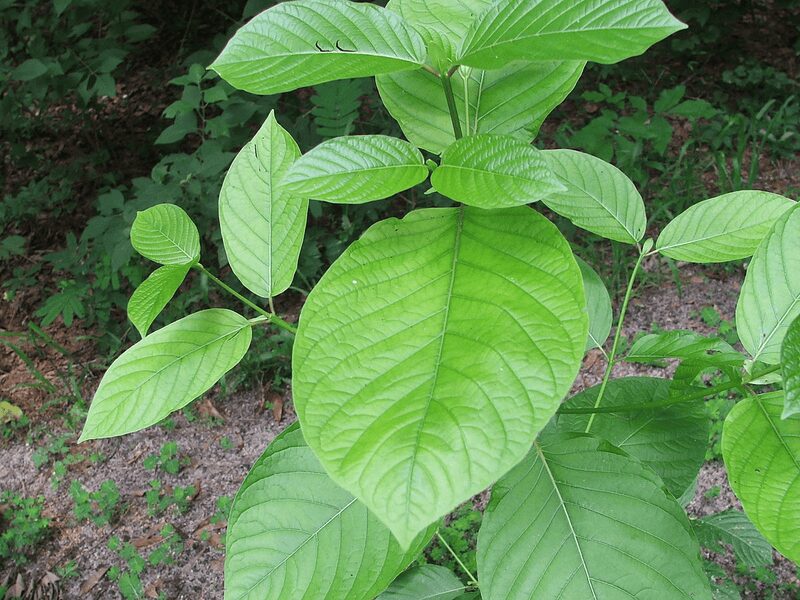
Kratom, a botanical substance derived from the leaves of the Mitragyna speciosa tree native to Southeast Asia, has gained significant attention across the United States. In Vermont, a state known for its independent spirit and focus on personal liberties, residents have been able to access kratom products without legal trouble. The substance is commonly found in smoke shops, specialty stores, and online, used by individuals for various wellness purposes. This open availability reflects the state’s current hands-off approach to the plant.
Unlike some of its neighbors and other states that have enacted strict bans, Vermont has not passed any laws classifying kratom as a controlled substance. This places it in the majority of states where the legality of kratom is decided by the absence of prohibitive legislation. However, the national conversation surrounding kratom is constantly changing, influenced by federal agencies, public health organizations, and dedicated advocacy groups. Understanding the current laws is just one piece of the puzzle; projecting its status into 2026 requires a look at legislative trends, the role of consumer protection, and the powerful influence of both federal oversight and grassroots advocacy.
The Current Legal Landscape for Kratom in Vermont
As it stands, Vermont maintains a straightforward and permissive stance on kratom. The substance is not listed on the state’s controlled substances list, and there are no state-level laws that restrict its sale, purchase, or possession. This makes Vermont a legal state for kratom, allowing adults to access it freely. This lack of specific regulation, however, creates a market that relies heavily on vendor integrity for product safety and quality.
No State-Level Bans or Restrictions
The Vermont General Assembly has not passed any bills to outlaw or regulate kratom. This means that, from a statewide perspective, the environment is completely open. You can walk into a registered business that sells kratom and purchase it without fear of breaking a state law. This contrasts sharply with a handful of states like Alabama, Arkansas, Indiana, Rhode Island, Wisconsin, and even a neighboring county in New Hampshire (Coos County) where kratom is illegal. Vermont’s position aligns more closely with states that prioritize individual choice and are waiting for more definitive federal guidance or a compelling local reason to act. The lack of legislative action can be attributed to several factors, including a smaller population, a focus on other pressing issues, and a general political climate that is hesitant to create new prohibitions.
Local Ordinances and Municipal Rules
While the state has no kratom laws, it is always possible for individual cities, towns, or counties to enact their own local ordinances. This is a common pattern for controversial products across the country, where a substance might be legal at the state level but banned in specific municipalities. For example, cities like San Diego, California, and Sarasota, Florida, have banned kratom locally despite it being legal statewide.
In Vermont, there are currently no known city or county-level bans on kratom. However, this could change. Local governments can be influenced by public health committees or law enforcement concerns. Before purchasing kratom, especially if you are in a less-populated town, it is a wise practice to check for any specific local rules that may apply. A quick search of the official website for the town or city you are in can provide clarity and prevent any potential issues.
The Absence of the Kratom Consumer Protection Act (KCPA)
A key element in the national kratom discussion is the Kratom Consumer Protection Act (KCPA). This is a piece of model legislation drafted and promoted by the American Kratom Association (AKA), a consumer advocacy group. The KCPA is not a ban; it is a regulatory framework designed to make the kratom market safer. Its main goals are to protect consumers from adulterated or contaminated products and to keep kratom out of the hands of minors. Vermont has not introduced or passed the KCPA. This means there are no state-mandated requirements for:
- Age Limits: Vendors are not legally required to restrict sales to individuals over 18 or 21.
- Product Testing: There is no mandate for lab testing to check for heavy metals, bacteria, or alkaloid content.
- Labeling Standards: Products are not required to list ingredients, serving sizes, or warnings.
The absence of the KCPA in Vermont places the burden of safety entirely on the consumer, who must do their own research to find trustworthy vendors.
Federal Oversight and its Influence on Vermont’s Kratom Laws
While Vermont currently allows kratom, state laws do not exist in a vacuum. Federal agencies have a significant impact on how substances are perceived and regulated, and their actions can pressure states to change their laws. The ongoing debate at the federal level is a critical factor in predicting the future of kratom in Vermont and across the country. Any major federal decision could quickly alter the legal landscape, forcing states to align with new national standards.
The Role of the Food and Drug Administration (FDA)
The FDA has maintained a consistently critical stance on kratom for years. The agency has issued numerous public health warnings, citing concerns about its potential for abuse, addiction, and adverse health effects. The FDA’s official position is that there are no approved medical uses for kratom and that it carries significant risks. They have also conducted seizures of kratom shipments at ports and issued warning letters to companies making unsubstantiated health claims about their products.
This federal-level pressure is significant. The FDA’s public statements often influence state health departments and lawmakers who may be considering kratom legislation. If the FDA were to successfully classify kratom as a new drug or find a way to regulate it more strictly under its existing authority, states like Vermont would likely have to adapt. For now, the FDA’s efforts have not resulted in a federal ban, but its continued warnings create a cloud of uncertainty over the industry.
The DEA’s Position and Past Actions
The Drug Enforcement Administration (DEA) is another key federal player. In 2016, the DEA announced its intent to place kratom’s primary alkaloids, mitragynine and 7-hydroxymitragynine, onto Schedule I of the Controlled Substances Act. This would have made kratom a federally illegal substance, placing it in the same category as heroin and LSD. The announcement triggered a massive public backlash, with tens of thousands of citizens and dozens of members of Congress voicing their opposition.
In an unusual move, the DEA withdrew its notice of intent, citing the need to consider the public comments and to allow the FDA to complete a scientific and medical evaluation. This event was a major victory for kratom advocates and demonstrated the power of organized public response. While the DEA has not taken similar action since, the possibility of future scheduling attempts remains. Any such move by the DEA would immediately make kratom illegal in Vermont, overriding state law.
The Federal SITSA Act
The Stop the Importation and Trafficking of Synthetic Analogues (SITSA) Act is another piece of federal legislation that could potentially affect kratom. The act gives the Attorney General the authority to quickly schedule new synthetic drugs that are chemically similar to existing controlled substances. While kratom is a natural plant, not a synthetic drug, some worry that the law could be interpreted to apply to its isolated alkaloids if they were ever synthetically replicated and sold. This is not a primary threat at the moment, but it highlights the complex legal environment in which kratom exists and the various federal tools that could be used to restrict it.
The Push for Regulation: The Kratom Consumer Protection Act (KCPA)
The most significant and proactive movement in the kratom community is the push for regulation through the Kratom Consumer Protection Act (KCPA). Instead of waiting for federal agencies or state governments to impose bans, the American Kratom Association (AKA) has been working tirelessly to get states to pass the KCPA. This approach is seen as a middle ground that addresses safety concerns while preserving legal access for responsible adults. Adopting the KCPA is the most likely future path for states like Vermont that have yet to act on kratom.
What is the KCPA?
The KCPA is a set of common-sense regulations designed to create a safe and transparent kratom market. While the specific language can vary slightly from state to state, the core provisions are consistent. If Vermont were to adopt the KCPA, consumers could expect the following changes:
- Minimum Age Requirement: The sale of kratom to individuals under the age of 18 or 21 would be prohibited.
- Clear Labeling: All kratom products would need to be clearly labeled with their ingredients and the amount of mitragynine and 7-hydroxymitragynine they contain.
- Prohibition on Adulterants: The law would make it illegal to sell any kratom product that is adulterated with dangerous non-kratom substances or contaminated with harmful levels of heavy metals or bacteria like salmonella.
- Vendor Registration: Businesses selling kratom would likely need to register with a state agency, such as the Department of Health or Agriculture, ensuring accountability.
- Penalties for Violations: The act establishes fines and other penalties for vendors who fail to comply with the rules, giving the state the power to enforce these safety standards.
States That Have Adopted the KCPA
The KCPA is not just a theoretical idea; it has been successfully passed into law in a growing number of states. As of late 2023, states like Utah, Georgia, Arizona, Oklahoma, Oregon, and Florida have enacted versions of the KCPA. These states serve as a model for how regulation can work in practice. By implementing these laws, they have created a safer market for consumers, driven out irresponsible vendors, and provided a clear legal framework that satisfies both public health officials and kratom advocates. The success of the KCPA in these diverse states makes it an attractive and proven option for legislatures in states like Vermont.
The Benefits of Regulation Over Prohibition
Advocates for the KCPA argue that regulation is a far better solution than an outright ban. Prohibition rarely eliminates the use of a substance; instead, it drives it underground. An unregulated black market for kratom would be incredibly dangerous, as there would be no way to verify product purity or safety. Consumers would be at risk of purchasing products laced with harmful substances.
Regulation, on the other hand, achieves several positive outcomes:
- Enhances Consumer Safety: It ensures products are pure and accurately labeled.
- Promotes Economic Activity: It allows legitimate, tax-paying businesses to operate.
- Provides State Oversight: It gives the state the authority to police the market and punish bad actors.
- Preserves Adult Access: It allows responsible adults to continue making their own choices about their wellness.
For a state like Vermont, which values both public safety and individual freedom, the KCPA presents a logical and balanced path forward.
Potential Legislative Paths for Vermont by 2026
Predicting the exact future of legislation is always difficult, but by analyzing current trends and Vermont’s political climate, we can outline the most probable scenarios for kratom’s legal status by 2026. The conversation is less about if kratom will be legal and more about how it will be managed. The outcome will likely depend on the actions of advocates, the influence of public health reports, and the legislative priorities of the state government in Montpelier.
Scenario 1: Maintaining the Status Quo
One possibility is that Vermont will simply continue with its current approach, leaving kratom legal and unregulated. This would mean no new laws are passed, and the market continues to operate as it does today. This path of inaction might be chosen if lawmakers see no pressing need to address kratom, especially if there are no high-profile incidents or public health crises linked to the substance within the state.
The benefit of this scenario is that it requires no legislative effort and maintains maximum freedom for consumers and vendors. However, the downside is significant. Without regulation, the market remains vulnerable to unsafe products. Consumers would continue to bear the full responsibility for vetting vendors, and the risk of purchasing contaminated or adulterated kratom would persist.
Scenario 2: Adopting the KCPA
This is widely considered the most likely and most favorable outcome. As the KCPA gains momentum across the country, it becomes an increasingly attractive, off-the-shelf solution for states looking to address kratom. The AKA and other consumer groups will likely increase their advocacy efforts in Vermont, educating lawmakers on the benefits of regulation over prohibition.
If Vermont adopts the KCPA, the process would involve a bill being introduced in the General Assembly, followed by committee hearings where experts, advocates, and opponents could testify. The debate would likely center on specific details, such as whether the age limit should be 18 or 21 and which state department would be responsible for enforcement. Passing the KCPA would signal that Vermont is taking a proactive, safety-first approach while respecting the rights of its citizens.
Scenario 3: An Outright Ban (The Unlikely Path)
While a ban is the least likely scenario, it cannot be completely ruled out. A statewide ban on kratom in Vermont would be a major departure from its current stance and political identity. Such a drastic measure would likely only be triggered by a specific event, such as a series of hospitalizations directly and conclusively linked to pure, unadulterated kratom (not products contaminated with other substances).
A ban could also be prompted by a sudden shift in federal policy, such as the DEA moving to schedule kratom. In that case, Vermont would have little choice but to comply. However, given the strong, organized opposition to prohibition and the growing acceptance of the KCPA as a viable alternative, a state-initiated ban seems improbable. It would face stiff resistance from both consumers and small business owners who rely on kratom sales.
How to Be a Responsible Kratom Consumer in Vermont
Whether kratom remains unregulated or becomes subject to the KCPA, being a responsible and informed consumer is essential for your safety and for the future of kratom’s legality. Your purchasing habits and advocacy contribute to a safer and more stable market. As the legal situation evolves, staying educated and making smart choices is the best way to protect yourself and support the cause.
Sourcing from Reputable Vendors
In an unregulated market like Vermont’s, vendor choice is everything. A reputable vendor is one who voluntarily adheres to high standards of quality and transparency, even when not required by law. Look for vendors who are certified by the American Kratom Association’s GMP (Good Manufacturing Practices) Standards Program. This program requires participants to follow strict manufacturing processes and to have their products tested by third-party labs. A vendor who is part of this program is demonstrating a serious commitment to consumer safety. Avoid buying kratom from gas stations or head shops that cannot provide information about their sourcing or testing procedures.
Understanding Product Labels and Lab Reports
Even without state-mandated labeling, trustworthy vendors will provide detailed information about their products. When you look at a product or a vendor’s website, you should be able to find a Certificate of Analysis (CoA) from a third-party lab. This report is crucial and should confirm a few key things:
- Alkaloid Content: It should list the percentage of mitragynine and 7-hydroxymitragynine, the plant’s two primary active alkaloids.
- Heavy Metal Screening: It should show that the product has been tested for lead, mercury, arsenic, and cadmium and that the levels are below the safe limit.
- Microbiological Screening: It should confirm the product is free from harmful bacteria like salmonella and E. coli.
If a vendor is unwilling or unable to provide these lab reports, you should not buy from them.
Staying Informed on Legislative Updates
The legal status of kratom can change. As a consumer, it is important to stay aware of any proposed legislation in Vermont. You can track bills through the Vermont General Assembly’s official website. Additionally, following organizations like the American Kratom Association will provide you with updates on both state and federal issues. They often issue calls to action, encouraging consumers to contact their elected officials to share their stories and express their support for sensible regulation like the KCPA. Participating in these advocacy efforts is a powerful way to help keep kratom safe and legal.
The Economic and Social Impact of Kratom’s Legal Status
The debate over kratom is not just a legal or scientific one; it also has real-world economic and social consequences. The decision to regulate or prohibit kratom affects small businesses, local economies, and public health outcomes. Understanding these impacts provides a more complete picture of why the future of kratom in Vermont matters to so many people.
The Local Economy: Smoke Shops and Small Businesses
Across Vermont, numerous small, independent businesses rely on the sale of kratom. Smoke shops, vape stores, and specialty herbal shops often count on kratom as a significant source of their revenue. For these business owners and their employees, a ban would be economically devastating. It would not only eliminate a popular product but could also lead to job losses and store closures. A regulated market, under a framework like the KCPA, allows these businesses to continue operating while contributing tax revenue to the state. It supports local economies by ensuring that money spent on kratom stays within the community rather than being pushed into a dangerous, untaxed black market.
Public Health Considerations
From a public health perspective, the kratom debate is complex. Opponents, often citing FDA warnings, raise concerns about its potential for dependence and its unknown long-term health effects. They argue that its availability poses a risk to the public. On the other hand, many proponents view kratom as a valuable tool for harm reduction. They point to thousands of personal testimonials from individuals who say kratom has helped them move away from more dangerous substances, manage chronic discomfort, or improve their overall well-being. A legal, regulated market allows researchers to study the plant more easily and enables public health officials to gather accurate data, which is impossible if the substance is illegal.
The Role of Advocacy and Public Opinion
Public opinion and organized advocacy have proven to be the most powerful forces in the fight to keep kratom legal. The DEA’s reversal in 2016 was a direct result of a massive public outcry. In states across the country, it has been the personal stories of everyday citizens, shared with their state representatives, that have convinced lawmakers to choose regulation over prohibition. The future of kratom in Vermont will heavily depend on the ability of consumers and advocates to remain organized and vocal. By sharing responsible, fact-based information and personal experiences, they can counter misinformation and ensure that any future legislation is grounded in common sense and compassion.
How Vermont Compares to Other States
- States Where Kratom is Banned: Vermont, Alabama, Arkansas, Indiana, Rhode Island, Wisconsin.
- States with Regulation: Utah, Nevada, Arizona, Oklahoma, and Oregon, among others, have enacted Kratom Consumer Protection Acts.
- States with No Regulation: Many states still have no active kratom laws, meaning kratom is legal and unregulated.
Conclusion: Is Kratom Legal in Vermont in 2026?
In summary, kratom is currently legal in Vermont, and all indicators suggest it will remain so into 2026. The state’s present hands-off approach provides open access, but the national trend is moving decisively toward regulation to ensure consumer safety. The most probable future for Vermont involves the consideration and eventual adoption of a framework similar to the Kratom Consumer Protection Act (KCPA). This would establish a safe, transparent, and legal market by mandating age limits, lab testing, and accurate labeling, aligning Vermont with a growing number of states that have chosen this balanced path.
To prepare for this future and to ensure your own well-being, it is vital to act as a responsible consumer today. This means purchasing exclusively from reputable vendors who provide third-party lab reports, educating yourself on how to read those reports, and staying informed about legislative developments in Montpelier. The future of kratom is not set in stone; it is actively being shaped by the actions of consumers, advocates, and lawmakers. By supporting responsible practices and engaging in advocacy, you can help ensure that kratom remains a safe and legal option in Vermont for years to come..
If you a a loved one has been harmed by kratom anywhere, get in touch with our kratom lawyer for free case evaluation. Contact us today!