
TL;DR
Yes, Kratom is legal to possess, sell, and purchase in Texas for individuals aged 18 and older. The state currently has no specific regulations governing the quality, testing, or labeling of Kratom products. However, the legal landscape is actively evolving. Legislative efforts have shifted from attempting to ban the substance to promoting consumer protection through the Kratom Consumer Protection Act (KCPA). The outcome of the 2025 legislative session will be critical in determining the future of Kratom regulation in Texas through 2026 and beyond.
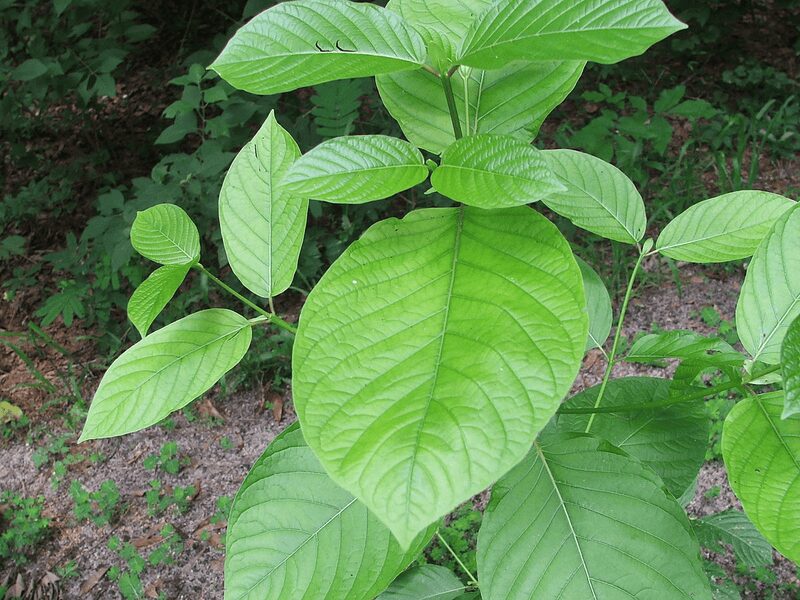
The use of Kratom, a botanical substance derived from the leaves of the Mitragyna speciosa tree native to Southeast Asia, has seen a significant rise in popularity across the United States. In Texas, from Dallas to Houston, residents are increasingly turning to this plant for its reported wellness benefits. The American Kratom Association estimates that millions of Americans use Kratom, and a substantial number of them reside in the Lone Star State, where it is commonly found in smoke shops, specialty stores, and online marketplaces.
This widespread availability exists within a complex and often contentious national conversation. Federal agencies like the Food and Drug Administration (FDA) have issued warnings about potential safety concerns, while consumer advocacy groups and scientists argue for its benefits and the importance of safe, regulated access. Texas has become a key battleground in this debate, with its legislature repeatedly considering the legal status of the plant. Understanding the state’s current laws and the direction of future policy is essential for any consumer or retailer involved with Kratom in Texas.
Is Kratom Legal in Texas?
As of June 2025, kratom is legal in Texas for purchase, possession, sale, and use by adults over 18, under the Texas Kratom Consumer Health and Safety Protection Act (House Bill 1097), effective September 1, 2023. This law regulates kratom to ensure product safety, requiring vendors to register, provide third-party lab testing, and label products with consumption instructions and alkaloid content. Unlike states such as Alabama, Arkansas, Indiana, Rhode Island, Vermont, and Wisconsin, where kratom is banned, Texas permits its use with restrictions to protect consumers from adulterated or unsafe products.
The Current Legal Status of Kratom in Texas
As of today, the answer to the question “is Kratom legal in Texas?” is a straightforward yes. There are no state laws that prohibit the possession, distribution, or sale of Kratom to adults who are 18 years of age or older. This legality applies uniformly across the state, meaning there are no specific city or county ordinances in places like Austin, San Antonio, or El Paso that have instituted local bans. You can legally purchase Kratom products from a variety of retail locations without fear of state-level legal repercussions.
However, the simplicity of its legal status hides a more complicated reality: Texas is an unregulated market. The state government has not established any framework to oversee the industry. This lack of oversight means there are no official requirements for product purity, potency, labeling, or manufacturing practices. The responsibility for ensuring product safety falls almost entirely on the vendors and the consumers themselves. This situation creates a “buyer beware” environment where the quality of products can vary dramatically from one seller to the next.
What “Unregulated” Means for Consumers
In an unregulated market, consumers face certain risks. Without state-mandated testing, products could potentially contain contaminants like heavy metals, salmonella, or other harmful bacteria. The concentration of the primary active alkaloids in Kratom, mitragynine and 7-hydroxymitragynine, can also be inconsistent. Some products may be weaker than advertised, while others could be dangerously potent. Furthermore, unethical sellers might add synthetic substances or other adulterants to their products to enhance their effects, posing serious health risks. This is precisely the scenario that consumer protection legislation aims to prevent.
Where to Purchase Kratom in Texas
Kratom is widely available throughout Texas. It is commonly sold in:
- Smoke and Vape Shops: These are often the most common physical locations to find Kratom.
- Specialty Botanical Stores: Some shops specialize in herbs and natural supplements, offering a range of Kratom products.
- Gas Stations and Convenience Stores: While convenient, products from these locations may be of lower quality and lack transparency.
- Online Vendors: A large portion of the market operates online, with many vendors shipping directly to Texas addresses. Reputable online sellers often provide more product information and lab testing results than brick-and-mortar stores.
Given the lack of regulation, it is vital for consumers to research vendors thoroughly before making a purchase.
A History of Kratom Legislation in the Lone Star State
The current legal status of Kratom in Texas was not reached without conflict. Over the years, the plant has been the subject of intense debate within the Texas Legislature, with several attempts made to outlaw it entirely. Understanding this history reveals a significant shift in political thinking, moving from outright prohibition to a focus on consumer safety and regulation. This change was largely driven by the powerful testimony of Texas residents and the organized efforts of advocacy organizations.
In 2021, for instance, House Bill 1097 was introduced with the intent to classify the primary alkaloids in Kratom as a Schedule II controlled substance. This move would have effectively banned Kratom, placing it in the same legal category as substances like cocaine and methamphetamine. The bill generated a strong response from the Kratom community. Hundreds of Texas consumers traveled to Austin to testify before lawmakers, sharing personal stories about how they use Kratom to manage chronic pain, anxiety, and other conditions as an alternative to opioids.
The Shift from Banning to Regulation
The compelling personal accounts from Texas citizens had a profound impact on legislators. Many lawmakers who had initially supported a ban began to reconsider their position after hearing directly from their constituents. They learned that an outright ban would not only criminalize thousands of Texans but also push the market underground, making it even more dangerous and eliminating any possibility of oversight. This realization marked a turning point in the legislative approach to Kratom in Texas.
Instead of focusing on prohibition, the conversation shifted toward creating a safe, regulated market. This new approach acknowledges Kratom’s popularity and seeks to mitigate the risks associated with the current unregulated environment. The goal became to establish clear rules that would protect consumers while allowing responsible adults to continue accessing the product legally. This pivot laid the groundwork for the introduction of the Kratom Consumer Protection Act.
Key Advocacy Groups and Their Impact
This legislative turnaround would not have been possible without the dedicated work of advocacy groups, most notably the American Kratom Association (AKA). The AKA has been instrumental in organizing consumer testimony, educating lawmakers, and lobbying for sensible regulation over prohibition. By providing scientific data and facilitating dialogue between consumers and policymakers, the AKA helped demonstrate that a regulated market is a more effective and safer solution than a ban. Their efforts, combined with the voices of local Texans, have been crucial in keeping Kratom legal and steering the state toward a more structured regulatory future.
Understanding the Texas Kratom Consumer Protection Act (KCPA)
At the heart of the current legislative push is the Kratom Consumer Protection Act (KCPA). The KCPA is not a single federal law but rather a piece of model legislation drafted by the American Kratom Association that advocates encourage states to adopt. The primary goal of the KCPA is to protect consumers by establishing a clear regulatory framework for the sale and production of Kratom products. By implementing these standards, the act aims to legitimize the industry, ensure product safety, and hold vendors accountable.
Several states, including Utah, Georgia, Arizona, and Oklahoma, have already passed versions of the KCPA. In Texas, similar legislation has been introduced in recent sessions, most notably as House Bill 861 and Senate Bill 497 during the 2023 legislative session. While these bills did not pass into law, they gained significant bipartisan support and signaled a strong legislative interest in regulation.
The core provisions of a typical KCPA include:
- Age Restrictions: Prohibiting the sale of Kratom to individuals under a certain age, typically 18 or 21.
- Product Labeling: Requiring all Kratom products to be clearly labeled with their ingredients, the amount of mitragynine and 7-hydroxymitragynine they contain, and directions for safe use.
- Prohibition of Adulterants: Making it illegal to sell any Kratom product that contains dangerous non-Kratom substances, synthetic alkaloids, or levels of 7-hydroxymitragynine that exceed a certain percentage of the total alkaloid content.
- Mandatory Testing: Requiring manufacturers to have their products tested by an independent third-party laboratory to verify their purity and alkaloid profile.
- Vendor Registration: Creating a system for Kratom vendors to register with the state, ensuring they comply with all regulations.
The Push for KCPA in Texas
The effort to pass the KCPA in Texas is ongoing and expected to be a major focus of the 2025 legislative session. Advocates argue that passing the KCPA is a common-sense solution that benefits everyone. For consumers, it provides confidence that the products they purchase are safe and accurately labeled. For the state, it creates a mechanism for oversight and accountability. For the Kratom industry, it establishes legitimacy and helps distinguish responsible vendors from those who cut corners. The support from both sides of the political aisle in previous sessions suggests that the bill has a strong chance of eventually becoming law.
What KCPA Passage Would Mean for Texans
If Texas passes the KCPA, consumers will see immediate changes in the marketplace. Product labels will become more informative, providing crucial data on alkaloid content and recommended serving sizes. The risk of purchasing contaminated or adulterated products would be significantly reduced, as vendors would face penalties for selling non-compliant items. While these regulations might lead to a slight increase in product prices to cover the costs of testing and compliance, the trade-off is a much safer and more transparent market for everyone involved.
Federal Oversight and its Influence on Texas Law
While Kratom regulation is currently handled at the state level, federal agencies and international bodies are closely watching the substance, and their actions could influence future laws in Texas. The two most prominent federal agencies involved are the Food and Drug Administration (FDA) and the Drug Enforcement Administration (DEA). Their positions have shaped the national debate and put pressure on states to address the Kratom market.
The FDA has maintained a skeptical stance on Kratom for years. It has not approved Kratom for any medical use and has issued public health advisories citing concerns about its potential for abuse and adverse health effects. The agency has also conducted seizures of Kratom shipments at ports through import alerts, arguing that the products are unapproved drugs or dietary supplements. However, the FDA does not have the authority to unilaterally ban a substance; that power rests with the DEA.
In 2016, the DEA announced its intent to place Kratom’s main alkaloids on the Schedule I list of controlled substances, alongside heroin and LSD. This move would have triggered a nationwide ban. The announcement was met with a swift and powerful public response. Tens of thousands of citizens contacted the DEA and Congress to protest the decision, and a bipartisan group of lawmakers urged the agency to reconsider. Faced with this opposition, the DEA took the rare step of withdrawing its notice of intent, deferring instead to the FDA for a full scientific and medical evaluation.
The Role of the World Health Organization (WHO)
The international perspective also plays a role. In 2021, the World Health Organization’s Expert Committee on Drug Dependence conducted a review of Kratom to determine if it should be recommended for international control. After examining the available scientific evidence and public testimony, the committee concluded that Kratom did not pose a significant enough public health threat to warrant an international ban. This decision was a major victory for Kratom advocates and has helped temper calls for prohibition at both the national and state levels.
State vs. Federal Jurisdiction
For now, the legal status of Kratom remains a patchwork of state laws. Six states have banned it, while a growing number have adopted KCPA regulations. The majority, like Texas, currently allow it in an unregulated market. A federal law, such as a federal version of the KCPA, could create a uniform standard across the country, but no such legislation has gained serious traction yet. Until that happens, the decisions made by the Texas Legislature in Austin will continue to be the most important factor for residents of the state.
Navigating Kratom Purchases Safely in an Unregulated Market
While Texas works toward establishing a regulated market, consumers must take proactive steps to ensure they are purchasing safe, high-quality Kratom. The absence of state oversight means the burden of due diligence falls on the buyer. Making informed choices is the best way to mitigate the risks associated with an unregulated product. The most reliable vendors are those who have voluntarily adopted the standards proposed in the KCPA, even before they are legally required to do so.
One of the most important indicators of a reputable vendor is participation in the American Kratom Association’s Good Manufacturing Practices (GMP) Standards Program. This is a voluntary program where vendors agree to have their facilities and processes audited by a third party to ensure they meet high standards for quality control, sanitation, and product testing.
What to Look for in a Vendor
When evaluating a Kratom vendor, whether online or in a physical store, look for these key indicators of quality and transparency:
- AKA GMP Certification: Check the vendor’s website or packaging for the AKA GMP seal. A list of qualified vendors is also available on the AKA’s website.
- Third-Party Lab Testing: Reputable vendors test every batch of their product for contaminants and alkaloid content. They should make these lab results, often called Certificates of Analysis (CoA), easily accessible to customers, usually via a QR code on the package or a page on their website.
- Clear Product Information: The vendor should provide detailed information about their products, including the strain, region of origin, and intended use.
- Positive and Authentic Reviews: Look for vendors with a consistent history of positive feedback from other customers on independent review platforms.
Red Flags to Avoid
Conversely, there are several warning signs that may indicate an untrustworthy vendor. Be cautious of any seller that:
- Makes Explicit Medical Claims: The FDA prohibits vendors from marketing Kratom as a treatment or cure for any disease or medical condition. Any vendor making such claims is violating federal law and should not be trusted.
- Lacks Transparency: If a vendor is unwilling to provide lab test results or answer questions about their sourcing and manufacturing processes, it is best to look elsewhere.
- Sells “Enhanced” Products: Be wary of products marketed with terms like “enhanced” or “extracts” that do not clearly state what has been added. These could contain dangerously high concentrations of alkaloids or other undisclosed substances.
- Offers Unusually Low Prices: While everyone loves a good deal, prices that are significantly lower than the market average can be a red flag for poor quality, old product, or a lack of proper testing.
Looking Ahead: The Future of Kratom in Texas (2024-2026)
The future of Kratom in Texas hinges on the actions of the state legislature, which convenes for its regular session in odd-numbered years. The next session, beginning in January 2025, will be a critical moment for Kratom policy. The momentum behind the Kratom Consumer Protection Act is stronger than ever, and advocates are optimistic that it will finally pass into law. If successful, Texas would join the growing list of states that have chosen regulation over prohibition or inaction.
The passage of the KCPA would likely happen in 2025, with the new regulations taking effect sometime in 2026. This timeline would give state agencies the necessary time to establish the rules for vendor registration and product testing, and it would give businesses time to bring their operations into compliance. The primary goal is to create a smooth transition to a regulated market that protects consumers without disrupting access for responsible adults.
How to Stay Informed
For Texans who want to follow these developments, there are several excellent resources available.
- The American Kratom Association: The AKA’s website provides regular updates on legislative efforts in Texas and across the country.
- Texas Legislature Online: The official government website allows anyone to track the progress of specific bills, read their text, and see how representatives are voting.
- Consumer Advocacy Groups: Following local and national Kratom advocacy groups on social media can provide real-time information and calls to action.
Potential Scenarios for 2026
By 2026, the Kratom landscape in Texas will likely look different. There are three primary possibilities:
- KCPA Becomes Law: This is the most probable scenario. The KCPA passes in 2025, and by 2026, Texas has a fully regulated market. All products sold in the state must meet strict testing and labeling standards, and vendors must be registered. This would represent a major victory for consumer safety.
- The Status Quo Remains: If the KCPA fails to pass again, the market will remain unregulated. Kratom will still be legal, but the risks associated with untested products will persist. This would likely lead to another legislative push in 2027.
- A Renewed Push for a Ban: While less likely given the current political climate, a public health incident linked to a contaminated Kratom product could reignite calls for a ban. This is the outcome that KCPA advocates are working to prevent by establishing safety standards.
The path Texas chooses will have a significant impact on consumers and the industry for years to come.
Read/Download Texas Senate Bill 497
No local bans exist in major Texas cities like Austin, Dallas, Houston, San Antonio, or El Paso, or in counties such as Travis, Dallas, or Harris, making kratom widely accessible. However, Senate Bill 1868 (SB 1868), proposed in 2025, seeks to classify kratom as a Schedule I controlled substance, which would ban it statewide if passed. As of now, this bill has not been enacted, but it underscores the uncertain future of kratom in Texas.
Texas Senate Bill 1868 (SB 1868), introduced in 2025 by Senators Charles Perry and Royce West, proposes comprehensive regulations on kratom and related substances. The bill aims to amend the Texas Controlled Substances Act by classifying synthetic kratom alkaloids and tianeptine as Penalty Group 1 substances, effectively banning their manufacture, distribution, sale, and possession. Additionally, it seeks to regulate natural kratom products by establishing testing, labeling, and sales restrictions under a newly designated Chapter 445 of the Health and Safety Code.
Key Provisions of SB 1868:
- Testing and Labeling Requirements: Kratom products must undergo testing by ISO/IEC 17025-accredited laboratories in Texas to determine alkaloid content and detect contaminants such as heavy metals and microbes. Products must be labeled with usage directions and recommended serving sizes.
- Prohibited Products: The sale of kratom products is prohibited if they are adulterated with dangerous substances, contain synthetic alkaloids, have 7-hydroxymitragynine levels exceeding 0.1% of the total alkaloid content, or are sold in forms such as prepackaged beverages or certain prepackaged foods.
- Age and Location Restrictions: Selling kratom products to individuals under 21 years of age is classified as a Class A misdemeanor. Additionally, selling or delivering kratom products within 1,000 feet of school premises constitutes a separate Class A misdemeanor offense.
- Penalties for Non-Compliance: Violations related to testing, labeling, or sales restrictions can result in Class A misdemeanor charges. Falsifying laboratory reports is considered a third-degree felony.
The bill passed the Texas Senate on April 24, 2025, and was referred to the House Public Health Committee on April 28, 2025. As of now, it remains under consideration and has not been enacted into law.
For more detailed information, you can refer to the full text of the bill and its legislative history on the here – https://fastdemocracy.com/bill-search/tx/89/bills/TXB00077285/
Texas SB 1868 pdf
Historical Context of Kratom in Texas
Texas has historically taken a permissive stance on kratom, aligning with its reputation for prioritizing individual freedoms. Unlike states with outright bans, Texas avoided significant legislative restrictions until the passage of HB 1097 in 2023. Earlier attempts to regulate or ban kratom, such as a 2014 proposal to classify it as a Schedule I substance, failed due to advocacy from the American Kratom Association (AKA) and users who emphasized its benefits for pain management and opioid withdrawal.
In 2016, the Drug Enforcement Administration’s (DEA) attempt to classify kratom as a Schedule I substance nationally (81 Fed. Reg. 59929) was withdrawn after public backlash, including from Texas residents. This event set a precedent for maintaining kratom’s legality in the state. The passage of HB 1097 in 2023 marked a shift toward regulation rather than prohibition, reflecting Texas’s balance between consumer access and safety.
Recent Legislative Developments
Texas Kratom Consumer Health and Safety Protection Act (HB 1097)
Enacted on September 1, 2023, HB 1097, also known as the Texas Kratom Consumer Protection Act, introduced regulations to ensure safe kratom products while preserving legal access:
- Age Restrictions: Prohibits sales to individuals under 18.
- Product Safety: Bans adulterated products containing synthetic alkaloids (e.g., 7-hydroxymitragynine above 2% of total alkaloid content) or contaminants like fentanyl, heavy metals, or salmonella.
- Labeling and Testing: Requires vendors to register with the state, provide third-party lab certificates verifying product purity, and label products with alkaloid content and safe consumption instructions.
- Penalties: Violators face fines up to $500 for first offenses and $10,000 for subsequent violations, ensuring compliance.
HB 1097 aims to protect consumers from unsafe products, as highlighted by Mac Haddow of the AKA: “The manufacturer has to provide a certificate of analysis from an independent third-party laboratory that documents the product is compliant with the law”. This law has removed non-compliant products from Texas shelves, fostering a safer market.
Senate Bill 1868 (SB 1868)
Introduced in 2025, SB 1868 proposes adding kratom and its compounds (mitragynine and 7-hydroxymitragynine) to Penalty Group 1 of the Texas Controlled Substances Act (Tex. Health & Safety Code § 481.102). If passed, this would:
- Ban Kratom Statewide: Make it illegal to buy, sell, possess, or distribute kratom, with penalties including felony charges, fines up to $50,000, and up to seven years in prison.
- Impact Businesses: Threaten vendors, particularly small businesses in Austin and Dallas, with significant financial losses.
- Override HB 1097: Nullify existing regulations, criminalizing all kratom-related activities.
The bill, supported by figures like Dr. Rodney Young of Texas Tech University Health Science Center, cites health risks such as contamination, overuse, and side effects like nausea, heart palpitations, and muscle protein breakdown. However, the AKA and local advocates argue that responsible use and regulation, as per HB 1097, better serve public safety. As of June 2025, SB 1868 remains under review, with significant opposition from kratom users and businesses. Updates can be tracked via capitol.texas.gov or protectkratom.org.
SB 1868 – Senate Committee Report version PDF
Federal Context Impacting Texas
At the federal level, kratom is unscheduled under the Controlled Substances Act, meaning it is legal absent state or local bans. However, federal agencies influence Texas’s kratom market:
- FDA Oversight: The FDA considers kratom an “unsafe food additive” under 21 U.S.C. § 342, warning against its use due to risks like liver toxicity, seizures, and substance use disorder. In 2022, the FDA linked kratom to over 800 deaths nationwide, though most involved polydrug use. Import Alert 54-15 allows seizure of kratom shipments, impacting Texas vendors.
- DEA Monitoring: The DEA lists kratom as a “drug of concern” but has not scheduled it since the 2016 withdrawal. CDC data from 2022 reported 846 kratom-related deaths, with 56 solely mitragynine-related.
- Federal KCPA: Proposed in 2021 and 2023, a federal Kratom Consumer Protection Act would regulate kratom as a dietary supplement, but it has not passed, leaving states like Texas to set their own rules.
Texas’s HB 1097 aligns with federal safety concerns while avoiding a total ban, but SB 1868 could shift the state toward stricter federal-style scrutiny.
These risks, coupled with Texas’s large population (nearly 30 million), underscore the need for HB 1097’s regulations, though SB 1868’s potential ban threatens access.
Future Outlook on Kratom Legality in Texas
Kratom’s future in Texas depends on legislative and public health developments:
- SB 1868 Outcome: If passed, a ban could criminalize kratom by late 2025, impacting users and businesses. Strong AKA opposition may block it, as in 2014.
- Further Regulation: Texas could strengthen HB 1097 with stricter testing or age limits (e.g., 21+), following states like Tennessee.
- Federal Influence: A federal KCPA or DEA scheduling could override Texas laws, affecting availability.
- Public Health: Rising overdoses (846 in 2022) or contamination incidents could push legislators toward a ban, especially if Texas hospitals report increased cases.
Conclusion
To summarize, Kratom is currently legal for adults 18 and over in Texas, but it exists in a completely unregulated market. This places the responsibility on consumers to find safe and reliable products. The legislative history in the state shows a clear trend away from banning the substance and toward implementing consumer protections. The main vehicle for this change is the Kratom Consumer Protection Act, which has strong bipartisan support and is expected to be a key issue in the 2025 legislative session.
For now, the most important action you can take is to be a discerning and educated consumer. Prioritize your safety by purchasing only from vendors who adhere to AKA Good Manufacturing Practices and provide transparent, third-party lab testing for all their products. By supporting responsible businesses, you not only protect yourself but also contribute to the push for a safer, more legitimate industry. Stay informed about the legislative process in Austin, as your voice can help shape a future where all Texans have access to safe, regulated Kratom.
For those harmed by kratom, such as through contaminated products or overdoses, legal recourse is available under Texas product liability and wrongful death laws. Our Texas kratom Lawsuit Attorneys can provide guidance on similar product liability claims, though consulting a Texas attorney with kratom expertise is advised. Fill out our secure contact form today to explore your legal options and navigate Texas’s evolving kratom landscape.