
TL;DR: Is Kratom Legal in Tennessee?
Yes, Kratom is legal for adults aged 21 and over in Tennessee. The state operates under the Kratom Consumer Protection Act (KCPA), which was signed into law in 2022. This legislation regulates the sale, labeling, and purity of Kratom products, making Tennessee a state that favors regulation over prohibition. Looking toward 2026, Kratom’s legal status is expected to remain the same, provided vendors and consumers continue to comply with the KCPA and no new restrictive federal or state laws are passed.
Kratom’s Status in the Volunteer State
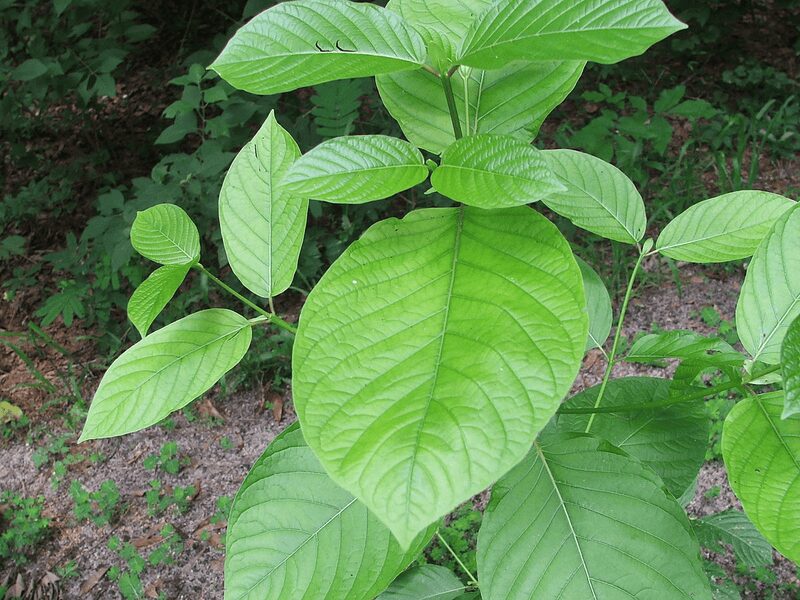
The conversation around Kratom, a botanical substance derived from the Southeast Asian tree Mitragyna speciosa, has grown significantly across the United States. In Tennessee, this discussion has evolved from potential criminalization to a structured, regulated market. The state’s journey reflects a broader national debate, balancing consumer access with public safety concerns. This unique path has positioned Tennessee as a key example of how state governments are choosing to manage the sale of this popular but controversial product.
Tennessee’s approach is defined by Tennessee Code § 39-17-452, better known as the Kratom Consumer Protection Act. This law marks a deliberate shift from the state’s 2014 decision to briefly classify Kratom’s active alkaloids as controlled substances. By reversing course and implementing a regulatory framework, lawmakers created a legal environment where adult consumers can access products that meet specific safety and labeling standards. This legislative choice directly impacts how Kratom is sold, purchased, and perceived within the state, setting a clear precedent as we look toward 2026.
The Current Legal Framework: Tennessee’s Kratom Consumer Protection Act (KCPA)
Tennessee’s legal landscape for Kratom is shaped entirely by the Kratom Consumer Protection Act (KCPA). This piece of legislation, passed with bipartisan support, established a clear set of rules for the industry, moving the substance out of a legal gray area and into a regulated marketplace. The primary goal of the KCPA is to ensure that consumers are protected from adulterated, contaminated, or dangerously potent products while allowing responsible businesses to operate legally.
Instead of an outright ban, which often drives markets underground, the KCPA provides a structure for safe and transparent sales. It places the responsibility on processors and vendors to adhere to strict guidelines, empowering consumers to make informed decisions. This regulatory model has been advocated for by organizations like the American Kratom Association (AKA) and is seen by many as a sensible middle ground between prohibition and an unregulated free-for-all. The law effectively treats Kratom as a specialty food product, subject to specific controls that address the unique properties of the plant.
Key Provisions of the KCPA
The Tennessee KCPA is built on several core pillars designed to protect public health. Understanding these provisions is essential for both consumers and retailers operating in the state.
- Age Restriction: The law explicitly prohibits the sale of Kratom products to anyone under the age of 21. This aligns Kratom with other age-restricted products like alcohol and tobacco.
- Labeling Requirements: All Kratom products sold in Tennessee must have a label that clearly states the ingredients, the amount of mitragynine and 7-hydroxymitragynine contained within, and the name and address of the manufacturer or distributor.
- Prohibition of Adulterants: The KCPA makes it illegal to sell any Kratom product that is adulterated with a dangerous non-Kratom substance. This includes products contaminated with heavy metals, illegal drugs, or synthetic alkaloids.
- Purity Standards: The law forbids the sale of Kratom products containing more than a trace amount of 7-hydroxymitragynine, the alkaloid associated with more potent effects. This is aimed at preventing the sale of artificially enhanced and potentially dangerous extracts.
- Clear Warnings: Product labels must include a warning advising consumers to consult a healthcare professional before use, especially if they are pregnant, nursing, or have a medical condition.
What the KCPA Means for Consumers
For Tennessee residents, the KCPA provides a layer of security that is absent in unregulated states. When you purchase Kratom from a compliant vendor, you have a reasonable expectation of safety and transparency. You can verify the alkaloid content and be assured that the product does not contain hidden, dangerous additives. This framework allows you to distinguish between responsible vendors who invest in testing and labeling and those who cut corners. It also gives you legal standing; you are not breaking the law by possessing or consuming Kratom as long as you are over 21.
Penalties for Non-Compliance
The KCPA is not just a set of suggestions; it carries significant penalties for vendors who violate its terms. A retailer or processor found selling mislabeled, adulterated, or otherwise non-compliant products can face fines and legal action. For example, selling to a minor is a Class A misdemeanor, punishable by up to 11 months and 29 days in jail and a fine of up to $2,500. These enforcement mechanisms are crucial for ensuring the integrity of the regulated market and holding bad actors accountable, which in turn protects the entire legal framework from being dismantled due to public safety incidents.
A Look Back: Tennessee’s Shifting Stance on Kratom
Tennessee’s current regulatory system did not appear overnight. It is the result of a dramatic and telling legislative journey that saw the state move from the brink of a complete ban to becoming a proponent of regulation. This history is crucial for understanding why the KCPA exists and how public and industry advocacy can influence state law.
Initially, Tennessee lawmakers responded to growing concerns from law enforcement and some public health officials about Kratom’s potential risks. Without a clear federal policy, states were left to create their own rules, often leading to patchwork legislation based on limited information. Tennessee was one of several states that first moved toward prohibition before reconsidering its approach. The state’s eventual pivot to regulation serves as a case study in how legislative bodies can adapt their policies when presented with new arguments and evidence.
The 2014 Controlled Substances Act Amendment
In 2014, the Tennessee General Assembly passed a bill that added the two primary alkaloids in Kratom, mitragynine and 7-hydroxymitragynine, to its list of controlled substances. This action effectively made possession and sale of Kratom a criminal offense. The law, however, was written in a way that created confusion. It was broadly interpreted as a total ban, causing many stores to pull Kratom from their shelves and leaving consumers who used it for wellness purposes in a difficult position. This period marked the low point for Kratom’s legal status in the state.
The Reversal and the Path to Regulation
The 2014 law was met with significant pushback from consumers and advocacy groups. Many Tennesseans who used Kratom for managing pain, anxiety, or as an alternative to opioids shared their stories with lawmakers. The American Kratom Association played a pivotal role in educating legislators about the plant and the potential negative consequences of a ban, such as the creation of a dangerous black market.
In response, the legislature amended the law. The amendment clarified that Kratom was only illegal if it was mixed with a controlled substance or sold as a synthetic product. This change decriminalized the natural plant form, reopening the door for legal sales. This crucial step paved the way for a more comprehensive solution: the Kratom Consumer Protection Act.
Why Tennessee Chose Regulation Over a Ban
The decision to pass the KCPA in 2022 was a pragmatic one. Lawmakers recognized several key factors that made regulation a more effective approach than prohibition.
- Public Safety: A ban would not have eliminated Kratom. It would have simply driven the market underground, where products are more likely to be contaminated or dangerously potent. Regulation allows the state to enforce safety standards.
- Consumer Rights: Legislators heard from countless constituents who felt they benefited from Kratom. The KCPA respects their right to access the product while putting safeguards in place.
- Economic Impact: A legal, regulated market allows for legitimate businesses to operate, create jobs, and generate tax revenue. A ban would have eliminated these opportunities.
- Precedent from Other States: Tennessee lawmakers observed other states. States with bans, like neighboring Alabama, still deal with black market sales, while states that adopted the KCPA model reported positive outcomes in consumer safety.
Understanding the 2026 Tennessee Kratom Laws: What to Expect
As we look ahead to 2026, the legal status of Kratom in Tennessee appears stable. The Kratom Consumer Protection Act provides a durable and well-defined framework that is unlikely to be repealed without a significant shift in the political or public health landscape. However, “stable” does not mean static. The future of Kratom legality depends on several evolving factors, both within Tennessee and at the federal level.
For consumers and vendors, the key to navigating the coming years is to remain informed and compliant. The existing law is the foundation, but its application and potential amendments will be shaped by ongoing debates, scientific research, and industry behavior. The best way to ensure Kratom remains legal and accessible is for the regulated market to function as intended: safely and transparently.
The Stability of the KCPA
Barring any new legislation, the KCPA will be the law of the land in Tennessee in 2026. This act was designed to be a long-term solution, not a temporary fix. As long as vendors comply with its labeling and purity standards, and as long as there are no major public health crises linked to compliant products, there is little political appetite to revisit the issue and impose a ban. The current system is seen by many lawmakers as a successful compromise that addresses safety concerns without resorting to criminalization.
Potential Legislative Challenges and Threats
Despite the current stability, several factors could threaten Kratom’s legal status by 2026.
- Federal Action: The most significant threat comes from the federal government. If the FDA or DEA decides to classify Kratom as a controlled substance, federal law would override Tennessee’s KCPA. While a federal ban seems less likely now than it did in 2016, the possibility always exists.
- New State Legislation: A future session of the Tennessee General Assembly could see the introduction of a new bill to either ban Kratom or impose much stricter regulations. This could be triggered by negative media reports, pressure from anti-Kratom lobbying groups, or incidents involving adulterated products from non-compliant sellers.
- Local Ordinances: While state law generally preempts local law, a city or county could attempt to pass its own restrictions. This would likely lead to legal challenges but could create confusion and access issues in certain areas.
The Role of Advocacy and Public Perception
The continued legality of Kratom in Tennessee will heavily depend on the actions of the community. Advocacy groups like the American Kratom Association work to educate lawmakers and counter misinformation. Equally important is the behavior of the industry. When vendors follow the rules, invest in third-party lab testing, and market their products responsibly, they strengthen the case for regulation. Public perception, shaped by media coverage and personal stories, will also play a crucial role in influencing any future legislative debates.
How to Safely and Legally Purchase Kratom in Tennessee
With the KCPA in place, Tennessee consumers have the tools to purchase Kratom safely and legally. The law empowers you to be a discerning customer, but it requires you to be proactive in vetting both the product and the vendor. A responsible purchase not only ensures your own safety but also supports the legitimate businesses that are key to maintaining a healthy, regulated market.
Buying Kratom should not be a blind transaction. It involves checking for specific quality markers, understanding what to avoid, and knowing the difference between a reputable seller and one who disregards state law. Whether you are buying from a local shop or an online retailer shipping to Tennessee, the same principles of due diligence apply.
Identifying Reputable Vendors
A trustworthy vendor is transparent and prioritizes compliance. Here are key signs of a reputable seller:
- AKA GMP Certification: Look for vendors who are certified by the American Kratom Association’s Good Manufacturing Practices (GMP) program. This voluntary program requires vendors to meet strict standards for testing, sanitation, and labeling, often exceeding the basic requirements of the KCPA.
- Third-Party Lab Testing: Reputable vendors will make lab test results (Certificates of Analysis) readily available for their products. These tests should screen for heavy metals, microbial contaminants, and confirm the alkaloid profile.
- KCPA-Compliant Labeling: The packaging should clearly list all the information required by Tennessee law: ingredients, alkaloid content, manufacturer information, and necessary warnings.
- Knowledgeable Staff: In a physical store, employees should be able to answer questions about their products, sourcing, and testing protocols without making illegal health claims.
Red Flags to Watch For
Just as there are signs of a good vendor, there are clear warning signs of a bad one. Avoid any seller or product that exhibits these red flags:
- Making Medical Claims: It is illegal to market Kratom as a cure or treatment for any disease or medical condition.
- Missing Information: Products with no batch numbers, manufacturing dates, or contact information are highly suspect.
- Unusually Low Prices: While everyone loves a deal, prices that are significantly lower than the market average may indicate a low-quality or even contaminated product.
- Selling to Minors: Any shop that does not strictly enforce the 21+ age limit is breaking the law and should not be trusted.
- Exaggerated Marketing: Be wary of products with flashy names that imply drug-like effects or are packaged to look like candy or illicit substances.
Online vs. In-Store Purchases
In Tennessee, you can legally purchase Kratom from both brick-and-mortar stores and online vendors. Each has its advantages. Local shops offer convenience and the ability to see the product before you buy. Online vendors often provide a wider selection and may offer more direct access to lab reports on their websites. Regardless of where you buy, the vendor must comply with the Tennessee KCPA if they are selling to a Tennessee resident. Always verify an online vendor’s commitment to quality and testing before placing an order.
Local Regulations: Do Tennessee Cities and Counties Have Their Own Rules?
A common question for residents is whether their specific city or county has its own set of Kratom laws that differ from the state-level KCPA. In the American legal system, this issue is governed by the principle of preemption, which generally holds that state law supersedes local ordinances when they conflict.
In the case of Kratom in Tennessee, the KCPA was designed to create a uniform regulatory framework across the entire state. This approach prevents a confusing and unworkable patchwork of different laws from one county to the next. For example, if Nashville banned Kratom while the state permitted it, it would create significant enforcement and commerce challenges. Therefore, the state law is intended to be the final word on the matter.
As of late 2023, no major city or county in Tennessee has successfully passed and enforced a local ban on Kratom in defiance of the state’s KCPA. Municipalities like Memphis, Nashville, Knoxville, and Chattanooga all fall under the state’s regulatory umbrella. This means that if you are 21 or older, you can legally purchase and possess KCPA-compliant Kratom anywhere within Tennessee’s borders. While a local government could theoretically attempt to introduce its own restrictions, such an ordinance would almost certainly face a successful legal challenge based on the principle of state preemption. It is always wise to stay aware of local government meetings and proposed ordinances, but for now, the state law is the only one that applies.
The National Context: Federal Oversight and Its Impact on Tennessee
While Tennessee has established its own clear laws, the future of Kratom is also heavily influenced by the federal government. The actions of federal agencies like the Food and Drug Administration (FDA) and the Drug Enforcement Administration (DEA) could have a profound impact on Kratom’s legality nationwide, including in Tennessee. State laws like the KCPA exist within a larger national context, and any major federal policy change would instantly alter the landscape.
The federal government has yet to take a definitive, final stance on Kratom. This has left states to forge their own paths, resulting in the current mix of legal, regulated, and banned states across the country. Understanding the positions of the key federal agencies is essential for predicting potential long-term outcomes for Kratom in Tennessee and beyond.
The FDA’s Stance on Kratom
The FDA has maintained a consistently critical position on Kratom for years. The agency has issued numerous public warnings, stating that it has not found any evidence of Kratom being safe or effective for any medical use. The FDA has also conducted seizures of Kratom shipments at ports through import alerts and has sent warning letters to companies making illegal health claims about their products. The agency’s primary concerns revolve around the potential for abuse, addiction, and the presence of heavy metals and other contaminants in unregulated products.
The DEA’s Past Actions
The most significant federal action to date occurred in 2016 when the DEA announced its intent to place Kratom’s main alkaloids on the Schedule I list of controlled substances, alongside drugs like heroin and LSD. This move would have made Kratom illegal nationwide overnight. However, the announcement was met with a massive public and congressional backlash. Tens of thousands of citizens contacted the DEA and their elected officials to protest the ban, and a bipartisan group of senators and representatives urged the agency to reconsider. In an unprecedented move, the DEA withdrew its notice of intent, opting instead to open a formal public comment period. Since then, the DEA has not made any further moves to schedule Kratom.
Federal Legislation: The Federal KCPA and Other Possibilities
Advocates are now pushing for a federal version of the Kratom Consumer Protection Act. This would create a unified regulatory framework for the entire country, similar to the one in Tennessee. Such a law would mandate FDA oversight for manufacturing standards, labeling, and age restrictions, ensuring a baseline of safety for all consumers. If a federal KCPA were to pass, it would solidify Kratom’s legal status and preempt any state-level bans. Conversely, if a federal ban were ever enacted, it would nullify Tennessee’s law and make Kratom illegal in the state.
Kratom Legality in Neighboring States
For Tennesseans, especially those living near state lines, understanding the Kratom laws of neighboring states is critically important. The legal status of Kratom can change the moment you cross a border, and traveling with the substance requires awareness of your destination’s laws. Tennessee is surrounded by states with a wide variety of policies, from complete bans to similar regulated markets.
| State | Legal Status | Key Details |
|---|---|---|
| Alabama | Banned | Kratom is a Schedule I controlled substance. Possession is a felony. |
| Arkansas | Banned | Kratom is a controlled substance. Possession is illegal. |
| Mississippi | Banned (Patchwork) | While not banned statewide, dozens of cities and counties have banned it, making it illegal in most of the state. |
| Georgia | Legal (Regulated) | Legal for adults 18+ under its own version of the Kratom Consumer Protection Act. |
| Kentucky | Legal | Kratom is legal, but the state has seen repeated legislative attempts to ban or regulate it. The situation is fluid. |
| North Carolina | Legal | Legal for adults 18+, with some local county-level restrictions. |
| Virginia | Legal | Kratom is legal for adults 18+ with no specific state regulations. |
| Missouri | Legal | Kratom is legal for adults 18+. The state has considered a KCPA. |
This table illustrates Tennessee’s position as a regulated island next to states with harsh prohibitions like Alabama and Arkansas. It is a serious crime to transport Kratom into a state where it is banned, so travelers must exercise extreme caution.
Conclusion
In summary, Kratom is currently legal for adults 21 and over in Tennessee, thanks to the robust framework of the Kratom Consumer Protection Act. This law prioritizes consumer safety through strict regulations on product purity, labeling, and sales. It represents a deliberate legislative choice to manage Kratom through responsible oversight rather than prohibition. As we look toward 2026, this legal framework is expected to remain in place, providing a stable and predictable environment for both consumers and businesses. The continued legality of Kratom will depend on diligent compliance with these regulations and the absence of any overriding federal action.
To ensure Kratom remains a safe and legal option in Tennessee, it is crucial for consumers to act responsibly. This means purchasing exclusively from reputable vendors who adhere to the KCPA’s standards and can provide third-party lab results. By supporting compliant businesses, you not only protect your own health but also contribute to the integrity and longevity of the legal market. Stay informed about any potential changes in state or federal law by following updates from trusted sources like the American Kratom Association. Your role as an educated consumer is the most powerful tool in safeguarding legal access to Kratom in the years to come.