
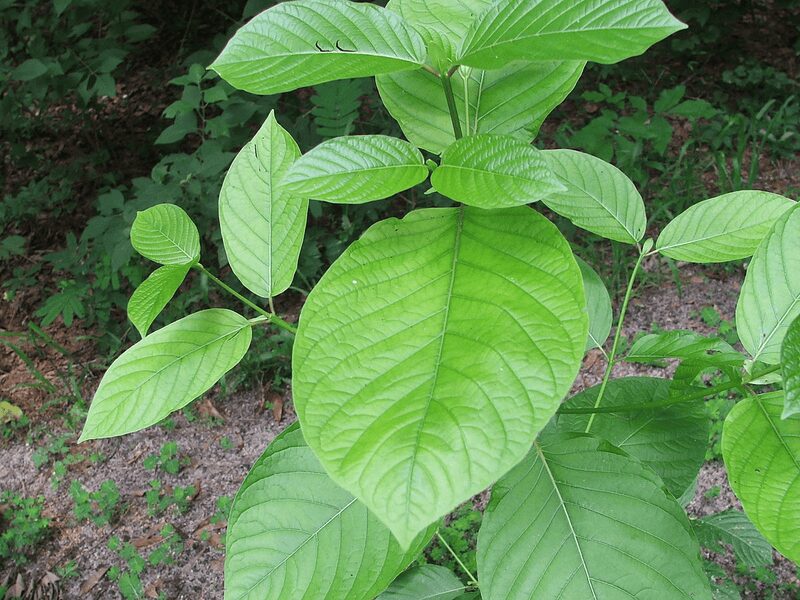
Kratom, derived from the leaves of the Mitragyna speciosa tree native to Southeast Asia, has sparked significant debate due to its stimulant and opioid-like effects. In the United States, its legal status varies by state and locality, creating a complex landscape for consumers, vendors, and advocates.
After an 87-6 vote in the House and easy passage in the Senate, Governor Jeff Landry signed Senate Bill 154 on June 4 2025. The measure makes it a crime to possess, sell, or distribute kratom anywhere in the state beginning August 1 2025, affecting an estimated 300,000 regular users and thousands of retailers who now have only weeks to clear their shelves.
Lawmakers point to a sharp rise in kratom-linked deaths, from eight in 2018 to 53 in 2021, and a tide of wrongful-death lawsuits as proof that tougher action was needed. Under the new law, possession of less than 20 g carries a 100-dollar fine, while larger amounts or any attempt to distribute the herb can bring jail terms of up to five years and fines as high as 50,000 dollars.
For consumers, travelers, and business owners, the clock is ticking. Smoke-shop owners are already pulling products by July 31, and anyone still relying on kratom for pain relief or opioid withdrawal will need to explore legal alternatives before enforcement begins. The rest of this guide breaks down the new penalties, explains how Louisiana’s rules compare with neighboring states and outlines what advocates are doing to challenge or adapt to the ban.
Is Kratom Legal in Louisiana?
As of 2026, kratom remains illegal in Louisiana under state law. The prohibition stems from Senate Bill 154 (SB 154), which was passed during the 2025 legislative session and signed into law by Governor Jeff Landry. The law took effect on August 1, 2025, and there have been no legislative reversals or court rulings since then to change its status. Under this statute, kratom’s primary active compounds—mitragynine and 7-hydroxymitragynine are classified as Schedule I controlled substances under Louisiana’s Uniform Controlled Dangerous Substances Law. This classification places kratom alongside substances considered to have a high potential for abuse and no accepted medical use under state law. As a result, the possession, sale, distribution, manufacture, and use of kratom are illegal throughout Louisiana in 2026.
Louisiana Kratom Laws 2026
Penalties for Kratom Law Violations in Louisiana
The penalties for violating Louisiana’s kratom ban are significant:
- Possession of Less Than 20 Grams: A fine of up to $100.
- Possession of 20 Grams or More: Up to 6 months in jail or a fine of up to $1,000.
- Distribution or Sale: Penalties range from 1 to 5 years in prison or a fine of up to $50,000.
Penalties you should know
| Conduct | Amount Involved | Maximum Fine | Possible Jail Time |
|---|---|---|---|
| Making or Selling Kratom | Less than 500 grams | Up to $50,000 | 1–3 years (with or without hard labor) |
| Making or Selling Kratom | 500 grams or more | Up to $50,000 | 1–5 years (with or without hard labor) |
| Possession of Kratom | 20 grams or less | Up to $100 | None |
| Possession of Kratom (First Offense) | More than 20 grams | Up to $500 | Up to 6 months in parish jail |
| Possession of Kratom (Second or Subsequent Offense) | More than 20 grams | Up to $1,000 | Up to 6 months in parish jail |
Enforcement and Compliance in 2026
The Louisiana Office of Alcohol and Tobacco Control (ATC) is responsible for enforcing the statewide kratom ban. Beginning July 1, 2025, the ATC integrated kratom compliance checks into its regular enforcement and inspection operations, including routine visits to retailers, wholesalers, and distributors. These enforcement efforts remain ongoing in 2026 and are intended to ensure public safety by preventing the sale, possession, or distribution of kratom products throughout the state.
Local Ban of Kratom in Louisiana Preceding the Statewide Ban
Even before the statewide ban, several Louisiana parishes and municipalities had already prohibited kratom, reflecting local concerns about its safety and potential for addiction. As of 2025, the following areas had implemented bans:
- Ascension Parish: Banned kratom on August 18, 2022.
- Rapides Parish: Prohibited possession, sale, and use starting October 10, 2022.
- Grant Parish: Banned kratom on October 13, 2022.
- LaSalle Parish, Tangipahoa Parish, Union Parish, Ouachita Parish (unincorporated areas), Zachary, and Ponchatoula: Each enacted local bans, with some, like Ouachita and Zachary, implemented in late 2023 and 2024.
These local prohibitions foreshadowed the statewide ban, driven by concerns from law enforcement and coroners about kratom’s health risks, including its association with overdose deaths and addiction.
Legislative History of Kratom in Louisiana
Kratom’s legal status in Louisiana has been volatile, with multiple legislative attempts to regulate or ban it over the years. Below is a timeline of key developments:
- 2014: A bill was introduced to classify kratom’s primary alkaloids (mitragynine, 7-hydroxymitragynine, and mitragynine pseudoindoxyl) as controlled substances. The bill failed to advance after opposition from advocacy groups such as the American Kratom Association (AKA).
- 2015: A revised bill passed the Louisiana Senate but was amended before final passage to remove kratom’s alkaloids from the controlled substances list, keeping kratom legal statewide.
- 2018: A national Salmonella outbreak linked to contaminated kratom products raised public health concerns and increased legislative scrutiny in Louisiana..
- 2019: Louisiana enacted a trigger law that would automatically classify kratom as a controlled substance if the U.S. Drug Enforcement Administration (DEA) scheduled it at the federal level. The DEA had considered scheduling kratom in 2016 but withdrew the proposal after public backlash, so the trigger law was never activated.
- 2022-2023: Several Louisiana parishes, including Ascension, Rapides, and Grant, enacted local kratom bans based on reports of kratom-related deaths and addiction concerns, resulting in inconsistent enforcement across the state.
- 2023: Senate Bill 94, effective August 1, 2023, prohibited the sale of kratom products to individuals under 21, marking a step toward regulation rather than a full ban.
- 2025: Senate Bill 154, sponsored by State Senator Jay Morris (R-West Monroe), passed both chambers of the Louisiana Legislature and was signed into law by Governor Jeff Landry. The law took effect on August 1, 2025, classifying kratom’s primary alkaloids as Schedule I controlled substances and criminalizing possession, sale, manufacture, and distribution statewide.
- 2025: House Bill 253 was introduced as a regulatory alternative that would have limited 7-hydroxymitragynine concentrations to natural levels, required product registration with the Louisiana Department of Health, and mandated warning labels. The bill did not advance following the passage of SB 154.
- 2026: Kratom remains illegal in Louisiana, with no legislation enacted to repeal, amend, or reclassify its Schedule I status as of 2026.
Why Was Kratom Banned in Louisiana?
The push to ban kratom in Louisiana stemmed from concerns about its safety, lack of regulation, and potential for abuse, as highlighted by lawmakers, coroners, and federal agencies like the U.S. Food and Drug Administration (FDA) and DEA.
Health and Safety Concerns of Kratom in Louisiana
- FDA Warnings: The FDA has labeled kratom a “drug of concern” and warned against its use due to risks of addiction, withdrawal, and overdose. Side effects include nausea, hallucinations, seizures, liver damage, and, in rare cases, death, particularly when combined with other substances.
- Coroner Reports: In October 2024, St. Tammany Parish Coroner Dr. Christopher Tape issued a warning after a 36-year-old woman died from “polydrug toxicity” involving an excessive dose of kratom. This case, along with a 2024 wrongful death lawsuit filed by Herman, Katz, Gisleson & Cain (HKGC) for a 25-year-old man’s death in West Monroe, underscored kratom’s risks.
- Addiction and Overdose: The National Institute on Drug Abuse (NIDA) notes that kratom’s opioid-like effects at high doses can lead to dependency and withdrawal symptoms. Overdose symptoms mimic those of opioids, including drowsiness, respiratory depression, and confusion.
Local and Law Enforcement Perspectives
- Parish-Level Actions: Parishes like Ascension and Rapides banned kratom due to rising addiction concerns and reports of adverse effects. State Representative Gabe Firment and others argued that kratom’s availability in gas stations and smoke shops facilitated abuse.
- Legislative Arguments: Senator Jay Morris and Representative Debbie Villio (R-Kenner) championed SB 154, citing kratom as a “public health scourge” responsible for addiction and deaths. Villio referenced personal stories of loss, including the Lubrano family’s presence during legislative debates, to emphasize the human toll.
Counterarguments from Advocates
Kratom advocates, including the American Kratom Association (AKA) and users like army veteran Marlon Chouccoli, argue that kratom offers therapeutic benefits, such as pain relief and opioid withdrawal management, with minimal risks when used responsibly. They contend that:
- Regulation, like the proposed Kratom Consumer Protection Act (KCPA), would ensure product safety through Good Manufacturing Practices (GMP) and third-party testing, reducing risks of contamination or adulteration.
- The ban criminalizes an estimated 325,000 Louisiana users, potentially driving them to unregulated black markets or more dangerous substances like street opioids.
- Personal testimonies, such as those from Representative Peter Egan (R-Covington), highlight kratom’s role in helping individuals manage chronic pain and mental health issues without pharmaceuticals.
Despite these arguments, the Louisiana Legislature prioritized prohibition over regulation, reflecting a broader trend of caution toward unregulated substances.
Federal Context and Its Influence on Kratom in Louisiana
At the federal level, kratom remains legal but unregulated, as it is not listed under the Controlled Substances Act. The FDA considers kratom an unapproved drug and has issued warnings about products like OPMS Black Liquid Kratom, linked to at least one death. The DEA’s 2016 attempt to classify kratom as a Schedule I substance was halted due to public outcry, but it remains a “drug of concern.”
Louisiana’s 2019 trigger law tied kratom’s state legality to potential federal scheduling, which influenced local bans and the eventual passage of SB 154. The lack of federal regulation has left states like Louisiana to address kratom independently, resulting in varied approaches nationwide. For example, states like Alabama, Arkansas, and Indiana have banned kratom, while others, like Nevada and Utah, have adopted the KCPA to regulate it.
Public Sentiment and Advocacy on Kratom Ban in Louisiana
Recent posts on X reflect strong opposition to Louisiana’s kratom ban among users and advocates, who argue it disregards the needs of consumers relying on kratom for health benefits. For instance:
- Users like @MattMeaux1 expressed concern for the 325,000 Louisianans using kratom, warning of potential increases in suicides and overdoses due to the ban.
- @Kpascuch suggested the ban prioritizes prison profits over consumer safety, predicting users may turn to illegal narcotics or source kratom from neighboring states like Mississippi.
- @cofoppyplop lamented the criminalization of a “good” product, comparing users to law-abiding citizens turned into criminals overnight.
The American Kratom Association has vowed to continue advocating for regulation rather than bans, planning to lobby the Louisiana Legislature in future sessions for science-based policies.
Implications of Louisiana Kratom Ban for Consumers and Vendors
The statewide ban, effective August 1, 2025, has significant implications:
- Consumers: Individuals using kratom for pain, anxiety, or opioid withdrawal must cease use or risk legal consequences. Some may seek kratom from neighboring states or unregulated online sources, increasing risks of contaminated products.
- Vendors: Brick-and-mortar stores in cities like New Orleans, Shreveport, and Metairie, as well as online retailers like MIT45 and Happy Hippo, must halt kratom sales in Louisiana or face penalties. The ban disrupts a market where kratom was a top-selling product, second only to CBD in some shops.
- Legal Recourse: Families affected by kratom-related deaths are pursuing wrongful death lawsuits, such as those filed by HKGC against manufacturers like OPMS Kratom, seeking compensation for losses due to inadequate warnings or contaminated products.
Navigating the Louisiana Ban: Advice for Louisiana Residents
For Louisiana residents, compliance with the new law is critical to avoid penalties. Here are key recommendations:
- Cease Possession and Use: As of August 1, 2025, possessing kratom in any form (powder, capsules, liquid) is illegal. Dispose of existing supplies safely to avoid fines or jail time.
- Avoid Illegal Sources: Purchasing kratom from unregulated online vendors or neighboring states risks legal consequences and exposure to unsafe products. The FDA has flagged contaminated kratom products, such as those recalled for Salmonella in 2018.
- Seek Alternatives: Consult healthcare providers for FDA-approved treatments for pain, anxiety, or opioid withdrawal, such as physical therapy, prescription medications, or counseling.
- Stay Informed: Monitor updates from the Louisiana Department of Health and legis.la.gov for changes in enforcement or future legislative efforts to regulate rather than ban kratom.
- Engage in Advocacy: Join groups like the American Kratom Association to support efforts for science-based regulation in future legislative sessions.
Conclusion
As of 2026, kratom remains illegal in Louisiana under Senate Bill 154, which was passed in 2025 and took effect on August 1, 2025. The law classifies kratom’s primary alkaloids as Schedule I controlled substances, making the possession, sale, manufacture, and distribution of kratom illegal statewide. This ban followed years of legislative debate and earlier local prohibitions in parishes such as Ascension, Rapides, and Zachary, driven by concerns over kratom’s potential health risks, including addiction and reported fatalities.
Penalties for violating Louisiana’s kratom law are severe. Individuals and businesses may face fines of up to $50,000 and prison sentences of up to five years, depending on the amount involved and the nature of the offense. While advocacy groups such as the American Kratom Association continue to argue for regulation rather than prohibition, citing kratom’s use for pain management and opioid withdrawal, Louisiana lawmakers ultimately prioritized public safety concerns when enacting the statewide ban.
Residents must comply with the law to avoid serious legal consequences, and vendors have been forced to cease sales or restructure operations to remain compliant. For individuals and families affected by kratom-related injuries or deaths, consulting an attorney experienced in kratom and controlled substance cases may help clarify available legal options. As discussions around kratom regulation continue nationally, staying informed about Louisiana law remains essential.
For those affected by kratom-related issues, consulting kratom attorneys can provide legal recourse. As the debate continues, staying informed and advocating for balanced policies will be crucial for shaping kratom’s future in Louisiana. If you have been injured or lost a loved one due to kratom, fill out the form below for free case evaluation.