
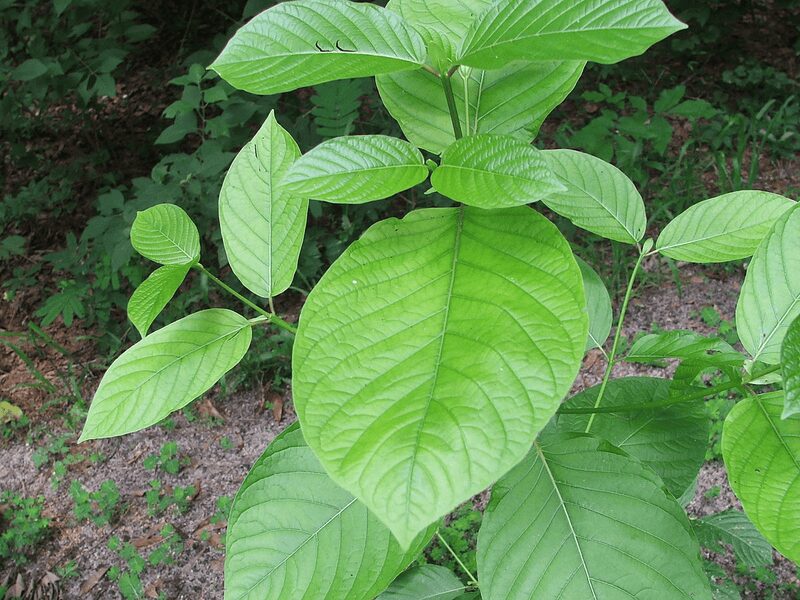
TL;DR: Yes, Kratom is legal in Georgia for adults aged 18 and older. The state passed the Georgia Kratom Consumer Protection Act (KCPA) in 2019, which regulates the preparation, distribution, and sale of Kratom products. This law mandates clear labeling, prohibits dangerous adulterants or synthetic alkaloids, and sets a minimum purchase age. While Kratom is legal and regulated now, its status could be affected by future federal actions or state-level amendments leading up to 2026.
Kratom, a botanical substance derived from the leaves of the Mitragyna speciosa tree native to Southeast Asia, has seen a significant rise in popularity across the United States. In Georgia, its use has become common enough that the state legislature took decisive action. Unlike some states that opted for outright bans, Georgia chose a path of regulation, aiming to create a safer market for consumers while allowing access for adults. This approach has positioned the Peach State as a key example of how to manage the substance without resorting to criminalization.
The legal framework in Georgia is defined by House Bill 551, officially known as the Kratom Consumer Protection Act (KCPA), signed into law in 2019. This legislation was a direct response to public health concerns and a growing, unregulated market. By establishing clear rules for vendors and protections for buyers, Georgia created a system that contrasts sharply with the legal patchwork seen in other parts of the country. Understanding these specific regulations is essential for anyone looking to buy, sell, or possess Kratom within the state, especially as the national conversation around the substance continues to evolve.
Understanding Georgia’s Kratom Consumer Protection Act (KCPA)
Georgia’s approach to Kratom is centered entirely on consumer safety and market transparency. The Kratom Consumer Protection Act, or KCPA, is not just a law that makes the substance legal; it is a detailed regulatory framework that dictates how Kratom products must be handled from production to sale. The primary goal of this legislation was to eliminate unsafe and untested products from shelves, giving consumers confidence in what they are purchasing.
Before the KCPA, the Kratom market in Georgia was like the Wild West. Products could contain contaminants, have inconsistent alkaloid levels, or even be mixed with dangerous synthetic substances. House Bill 551 changed that by imposing strict requirements on anyone who sells or even gives away Kratom in the state. This move was heavily supported by consumer advocacy groups who believe that regulation, not prohibition, is the most effective way to protect public health. The law established a clear set of standards that all vendors must follow, creating accountability in the industry.
Key Provisions of House Bill 551
The KCPA is built on several core pillars designed to protect consumers. Anyone interacting with Kratom in Georgia should be familiar with these rules, as they define the legal market.
- Age Restriction: The sale of Kratom to any person under the age of 18 is strictly prohibited. Retailers are required to verify the age of their customers.
- Labeling Requirements: Every Kratom product sold must have a label that clearly states its ingredients and the amount of mitragynine and 7-hydroxymitragynine it contains. The label must also include the address of the manufacturer or distributor.
- Prohibition of Adulterants: The law makes it illegal to sell any Kratom product that is mixed with a dangerous non-Kratom substance. This includes any substance that could affect the quality or strength of the product in a way that poses a risk to the consumer.
- Ban on Synthetic Alkaloids: The KCPA forbids the sale of Kratom products containing synthetic alkaloids, such as synthetic mitragynine or 7-hydroxymitragynine. All active compounds must be naturally occurring.
What the KCPA Means for Consumers
For Georgia residents, the KCPA provides a level of security that is absent in states without such regulations. When you purchase Kratom from a reputable vendor in Georgia, you can check the label to confirm what you are getting. This allows you to make an informed decision and avoid products that are misbranded or potentially harmful. The law empowers consumers to identify compliant products and steer clear of those that do not meet the state’s standards. This transparency is the most significant benefit of the legislation, as it helps reduce the risks associated with an unregulated market.
Penalties for Non-Compliance
The KCPA also has teeth. Any vendor caught violating its provisions faces legal consequences. A first offense is treated as a misdemeanor, which can result in fines and potential jail time. A second or subsequent offense is considered a high and aggravated misdemeanor, carrying even stiffer penalties. These punishments create a strong incentive for vendors to follow the rules, ensuring that the products available for sale in Georgia meet the required safety and labeling standards. This enforcement mechanism is crucial for the law’s effectiveness and the overall safety of the market.
The Legal Status of Kratom in Georgia vs. Neighboring States
The legal landscape for Kratom in the Southeastern United States is a mix of different approaches. Georgia’s decision to regulate stands in stark contrast to some of its neighbors, making it important for residents and travelers to understand the laws in each state. Crossing a state line can mean the difference between legally possessing a regulated product and committing a felony.
| State | Legal Status | Key Regulations |
|---|---|---|
| Georgia | Legal & Regulated | KCPA in effect; must be 18+ to purchase; strict labeling rules. |
| Alabama | Illegal | Classified as a Schedule I controlled substance; possession is a felony. |
| Tennessee | Legal with Restrictions | Legal for adults 21+; products must be in their natural form. |
| Florida | Legal (Statewide) | Legal at the state level, but some counties (like Sarasota) have local bans. |
| South Carolina | Legal | No statewide regulations or age restrictions, but some local bills have been proposed. |
| North Carolina | Legal | Legal for adults 18+; a version of the KCPA was considered but has not passed. |
Alabama’s Strict Ban
Directly to the west of Georgia, Alabama has one of the strictest Kratom bans in the country. In 2016, the state classified mitragynine and 7-hydroxymitragynine, the two primary alkaloids in Kratom, as Schedule I controlled substances. This places Kratom in the same category as heroin and LSD. Possessing any amount of Kratom in Alabama is a felony, punishable by severe fines and lengthy prison sentences. This creates a high-risk situation for anyone traveling from Georgia into Alabama with Kratom products, even if they were purchased legally.
Tennessee’s Age and Labeling Laws
To the north, Tennessee has a more similar approach to Georgia, but with a key difference. Kratom is legal in Tennessee, but the minimum age to purchase it is 21, three years older than in Georgia. Tennessee law also restricts the sale of Kratom to its natural, unprocessed form. This means that certain extracts or enhanced products available in Georgia might not be legal for sale in Tennessee.
Florida and the Carolinas: A Patchwork of Local Rules
Florida, South Carolina, and North Carolina all permit the sale and possession of Kratom at the state level. However, the lack of a statewide regulatory act like Georgia’s KCPA means the rules can be inconsistent. In Florida, for example, several counties and cities have enacted their own local bans. Sarasota County is a well-known example where Kratom is illegal. This means that while you can legally possess Kratom in Miami, you could be arrested for it in Sarasota. This patchwork of local ordinances requires a high degree of awareness for anyone traveling with the substance.
Federal Oversight and Its Potential Impact on Georgia by 2026
While Georgia has established its own clear laws, the future of Kratom legality is not solely in the hands of state legislators. Federal agencies continue to monitor Kratom, and any action they take could supersede state law. As we look toward 2026, the possibility of federal intervention remains the biggest question mark for Kratom consumers and vendors in Georgia.
The relationship between federal and state law is governed by the Supremacy Clause of the U.S. Constitution, which holds that federal law generally takes precedence over state law when there is a conflict. If a federal agency were to classify Kratom as a controlled substance, it would become illegal nationwide, including in Georgia, regardless of the KCPA. This makes it critical to follow developments at the federal level.
The FDA’s Stance on Kratom
The U.S. Food and Drug Administration (FDA) has consistently expressed concerns about Kratom. The agency has issued numerous public warnings, citing risks of addiction, abuse, and potential health complications. The FDA has not approved Kratom for any medical use and actively works to prevent its importation, often seizing shipments at the border. The agency’s official position is that there is no reliable evidence to support the use of Kratom as a treatment for any condition. This ongoing skepticism from a major federal health agency keeps the possibility of stricter federal regulation on the table.
The DEA’s Past and Future Actions
In 2016, the Drug Enforcement Administration (DEA) announced its intent to place Kratom’s main alkaloids into Schedule I of the Controlled Substances Act. This move would have put Kratom in the same legal category as heroin. However, the announcement was met with a swift and powerful public backlash from consumers, advocates, and even members of Congress. In an unusual reversal, the DEA withdrew its notice of intent, citing the need for more research and consideration of public comments.
While the DEA backed down in 2016, the agency has not closed the door on future action. The potential for a federal ban still exists, and it remains the most significant threat to legal access in states like Georgia.
How Federal Action Could Override Georgia’s Law
If the DEA were to successfully schedule Kratom, the Georgia Kratom Consumer Protection Act would become void. Federal law enforcement would have the authority to enforce the ban within Georgia’s borders, and state and local police would be obligated to follow suit. This would instantly transform a legal, regulated product into an illicit substance. Advocacy groups like the American Kratom Association are actively working to prevent this by lobbying for federal regulations that would mirror Georgia’s KCPA, promoting safety and quality standards nationwide instead of an outright ban. The outcome of these efforts will likely determine the legal landscape in 2026.
Navigating Local Ordinances and Law Enforcement Views in Georgia
One of the benefits of Georgia’s statewide Kratom Consumer Protection Act is that it creates a uniform legal standard across all 159 counties. This prevents the kind of confusing legal patchwork seen in states like Florida, where legality can change from one town to the next. The KCPA provides a consistent and predictable environment for both consumers and law enforcement.
Because the state has taken a clear stance on regulating Kratom, local municipalities have generally not pursued their own bans or restrictions. This legal consistency means that if you are following the state law, you should not have to worry about running into a surprise local ordinance. However, it is always wise for consumers to stay aware of discussions in their local city or county commissions, as situations can change.
Are There Any County or City Bans in Georgia?
As of late 2023, there are no known counties or cities in Georgia that have banned Kratom. The KCPA’s statewide framework has largely preempted the need or desire for local governments to create their own rules. The law is comprehensive enough that it addresses the primary safety concerns that might otherwise prompt a local ban. This uniformity is a major advantage for consumers, who can purchase and possess Kratom with confidence anywhere in the state, provided they are over 18 and the product is KCPA-compliant.
Law Enforcement’s Perspective
In Georgia, law enforcement’s primary concern is public safety. Since Kratom is a legal and regulated substance, it is not a focus for police in the same way that illegal drugs are. An officer is unlikely to have any issue with a person possessing a legally purchased, properly labeled Kratom product. The KCPA gives them a clear standard to follow. If a product meets the law’s requirements, there is no cause for law enforcement action.
However, it is crucial to understand that “legal” does not mean you can be impaired while performing certain activities.
Scenario Example: You are pulled over for a traffic violation, and an officer sees a container of Kratom powder in your passenger seat. As long as the product is in its original, sealed, and properly labeled packaging that complies with the KCPA, and you are not showing any signs of impairment, the officer has no legal reason to confiscate it or charge you with a crime related to its possession. The situation changes entirely if the officer has reason to believe you are driving under the influence of any substance, including Kratom. A DUI charge in Georgia is not limited to alcohol or illegal drugs; it applies to any substance that makes you a less safe driver.
How to Purchase Kratom Safely and Legally in Georgia
The Kratom Consumer Protection Act was designed to make the market safer, but the responsibility still falls on the consumer to make smart choices. The law sets the minimum standard, but some vendors go above and beyond to ensure quality and transparency. Knowing how to identify these reputable sellers is the key to having a safe and positive experience with Kratom.
Whether you are buying from a local vape shop, a specialty botanical store, or an online retailer that ships to Georgia, the rules of the KCPA apply. Any business selling to a Georgia resident must comply with the state’s labeling and purity standards.
Identifying Reputable Vendors
A trustworthy vendor will be transparent and prioritize consumer safety. Here are some things to look for:
- AKA GMP Certification: The American Kratom Association (AKA) has a Good Manufacturing Practices (GMP) program that holds vendors to high standards for purity, testing, and labeling. Look for a seal or mention of this certification on the vendor’s website or product packaging.
- Third-Party Lab Testing: The best vendors send their products to independent labs to test for contaminants like heavy metals, salmonella, and E. coli. They also test for alkaloid content to ensure potency and consistency.
- Accessible Lab Results: Reputable companies make these lab results, often called Certificates of Analysis (COA), available to customers. They may be posted on their website or accessible via a QR code on the packaging.
- Clear, Compliant Labeling: The product label should clearly list the ingredients, the amount of mitragynine and 7-hydroxymitragynine, and the manufacturer’s contact information, as required by the KCPA.
Red Flags to Watch For
Just as there are signs of a good vendor, there are clear warnings of one to avoid. Be cautious if a seller:
- Makes Medical Claims: The FDA prohibits vendors from marketing Kratom as a treatment or cure for any disease or condition. Any vendor making such claims is violating federal law and should not be trusted.
- Sells Products with Added Ingredients: Avoid products that are mixed with other “potentiators” or unknown substances. The KCPA prohibits dangerous adulterants for a reason.
- Lacks Professional Packaging: Vague, unlabeled, or unprofessional packaging is a major red flag.
- Offers No Information About Sourcing or Testing: Transparency is key. If a vendor cannot tell you where their Kratom comes from or show you lab results, it is best to shop elsewhere.
The Role of Advocacy and the Future Outlook for Kratom in Georgia
The legal status of Kratom in Georgia is a direct result of organized advocacy. The passage of the Kratom Consumer Protection Act was not an accident; it was the outcome of a concerted effort by consumers and organizations dedicated to preserving safe and legal access to the plant. This ongoing advocacy will be crucial in shaping the future of Kratom regulations in the state and at the federal level leading up to 2026.
The American Kratom Association (AKA) was a key player in lobbying for the KCPA in Georgia. The organization presented the bill as a model for responsible regulation, arguing that it was a better solution than an outright ban. By working with state lawmakers, the AKA helped create a legal framework that addressed safety concerns while respecting the rights of adults to consume the product. This success in Georgia has been used as a template for similar legislative efforts in other states.
Potential Legislative Changes Before 2026
While the KCPA provides a stable foundation, the law is not set in stone. The Georgia legislature could revisit the issue at any time to make amendments. Some potential changes that could be debated before 2026 include:
- Raising the Age Limit: Some states, like Tennessee, have set the minimum age at 21. A similar proposal could emerge in Georgia.
- Stricter Testing Requirements: The legislature could mandate specific third-party lab testing standards for all products sold in the state.
- Vendor Licensing: The state might introduce a licensing system for Kratom vendors to increase oversight and accountability.
These potential changes highlight why it is important for consumers to remain engaged and informed. The legal environment is dynamic, and public input can play a significant role in how it evolves.
How Consumers Can Stay Informed
For those who want to help ensure Kratom remains legal and safely regulated in Georgia, staying informed is the first step. Following advocacy groups like the AKA is an excellent way to keep up with legislative news at both the state and federal levels. These organizations often provide updates on pending bills, issue calls to action for contacting lawmakers, and offer resources for educating others. Participating in these campaigns, even by simply sending an email to a state representative, can have a meaningful impact on the legislative process.
Common Misconceptions About Kratom’s Legality and Safety
Even with a clear law like the KCPA in place, misconceptions about Kratom persist. It is important to separate fact from fiction to make responsible decisions. Understanding the realities of the law and the nature of the substance is essential for any consumer in Georgia.
Myth: “Legal Means It’s 100% Safe”
This is one of the most dangerous misconceptions. The fact that Kratom is legal and regulated in Georgia does not mean it is free of risk. The KCPA is designed to make products on the market safer by ensuring they are unadulterated and properly labeled, but it does not eliminate the inherent risks associated with the substance itself. Like any botanical product, Kratom can have different effects on different people, and it can be habit-forming for some individuals. Responsible use, including starting with small amounts and avoiding daily consumption, is crucial. Legality is about market standards, not a guarantee of personal health outcomes.
Myth: “You Can’t Get a DUI for Kratom”
This is completely false. Georgia’s DUI laws apply to impairment from any substance, not just alcohol or illegal drugs. If a law enforcement officer determines that your ability to drive safely is compromised due to your consumption of Kratom, you can be arrested and charged with a DUI. The consequences are just as severe as they would be for an alcohol-related DUI, including fines, license suspension, and potential jail time. Never operate a vehicle or heavy machinery after consuming Kratom.
Myth: “All Kratom Products Are the Same”
The KCPA’s labeling requirements exist precisely because not all Kratom is the same. The effects of Kratom can vary widely depending on the strain (often categorized by vein color like red, green, or white), the region it was grown in, and its alkaloid profile. Furthermore, the market includes powders, capsules, and liquid extracts, all with different potencies. A liquid extract can be many times stronger than the equivalent amount of raw powder. The KCPA helps consumers understand what they are buying, but it is up to the individual to research the differences and choose the product that is right for them.
Conclusion
To summarize, Kratom is legal for adults 18 and over in Georgia, thanks to the Kratom Consumer Protection Act. This 2019 law established a regulated market that prioritizes consumer safety through strict labeling, purity standards, and an age limit. This regulatory approach makes Georgia a leader in responsible Kratom policy, especially when compared to the outright bans or lack of oversight in neighboring states. The KCPA provides a clear and consistent legal framework across the entire state, giving consumers a degree of confidence and security.
However, the legal status of Kratom is not permanent. The future, particularly looking toward 2026, depends heavily on potential actions at the federal level by agencies like the FDA and DEA. A federal ban would override Georgia’s law and make the substance illegal nationwide. For this reason, consumers must remain vigilant and informed. By supporting vendors who adhere to the highest safety standards, staying aware of legislative developments, and advocating for responsible regulation, you can play an active role in ensuring Kratom remains a safe and legal option in Georgia for years to come.
For those harmed by kratom, legal recourse is available under Georgia’s product liability and wrongful death laws. Our Atlanta Kratom Attorneys can guide related claims, though consulting a Georgia kratom attorney is advised. Fill out our secure contact form today to explore your legal options and navigate Georgia’s evolving kratom landscape.