
TL;DR: As of early 2026, kratom is legal to buy, possess, and use for adults aged 18 and over throughout most of California. However, it is not regulated at the state level, meaning there are no official standards for product purity or labeling. The major exceptions are the cities of San Diego and Oceanside, where local ordinances have completely banned the sale and possession of kratom. Efforts to pass a statewide Kratom Consumer Protection Act (KCPA) to regulate the industry are ongoing but have not yet succeeded.
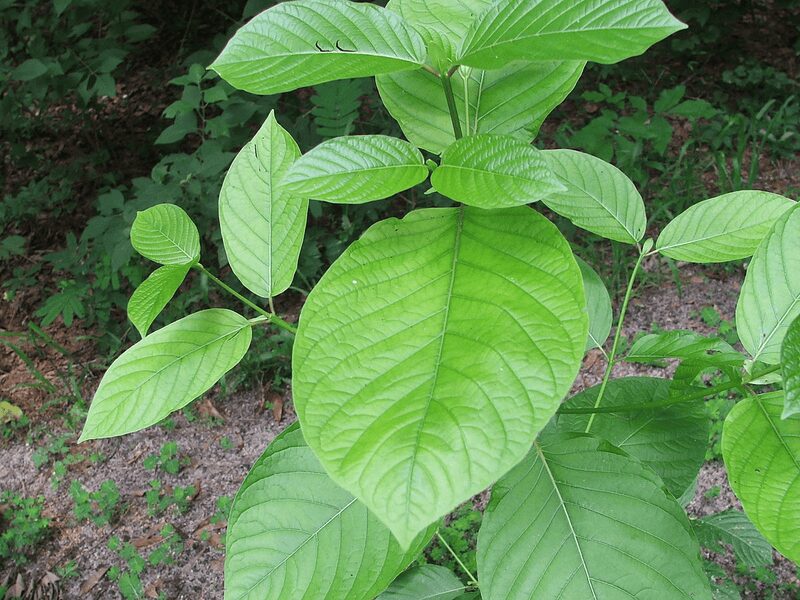
Kratom, a botanical substance derived from the leaves of the Mitragyna speciosa tree native to Southeast Asia, has seen a significant rise in popularity across the United States. In California, home to nearly 40 million people, kratom is used by a diverse population for various wellness and lifestyle purposes. This growing demand has placed the substance at the center of a complex public conversation, involving consumer advocates, health officials, and lawmakers. The legal status of kratom is not uniform across the country, creating a patchwork of laws that can be confusing for residents and visitors alike.
Unlike many states that have enacted specific regulations, California has largely maintained a hands-off approach at the state level. This creates a unique environment where the substance is broadly accessible yet lacks the consumer protections found in a regulated market. This situation is shaped by federal guidance from agencies like the Food and Drug Administration (FDA), which has expressed concerns, and the persistent advocacy of organizations like the American Kratom Association (AKA), which champions regulation over prohibition. Understanding California’s specific legal framework requires looking at state law, local city ordinances, and the potential for future legislative changes.
California’s Statewide Stance on Kratom in 2026
At the state level, California law permits the sale, possession, and consumption of kratom. There are no state statutes that classify kratom as a controlled substance, and no pending legislation is expected to change this broad legality in the immediate future. This means that for the vast majority of Californians, purchasing kratom from a smoke shop, specialty wellness store, or online vendor is legally permissible.
The defining characteristic of California’s approach is its lack of regulation. The state has not implemented a version of the Kratom Consumer Protection Act (KCPA), a model bill promoted by the AKA. The absence of a KCPA means there are no state-mandated requirements for product testing, purity, labeling, or age restrictions. While most reputable vendors have voluntarily adopted an 18+ or 21+ age policy, it is not legally required by the state. This unregulated environment places the responsibility squarely on consumers to find trustworthy sources and on vendors to self-regulate their practices.
The Role of Age Restrictions
While California has no statewide law mandating an age limit for kratom purchases, the industry standard is to restrict sales to individuals 18 years of age or older. Many retailers, particularly brick-and-mortar shops, enforce a 21-and-over policy, often aligning with their policies for tobacco or other adult products. This self-regulation is a proactive measure by vendors to demonstrate responsibility and to get ahead of potential legislative action. Online vendors typically use age verification software to ensure compliance with this informal standard. For consumers, it is wise to assume that you will need to be at least 18 years old and have a valid ID to purchase kratom products anywhere in the state.
Absence of State-Level Quality Control
The most significant consequence of California’s unregulated market is the lack of guaranteed product safety. Without state oversight, there is no legal requirement for kratom products to be tested for contaminants like heavy metals, salmonella, or other harmful bacteria. Furthermore, there are no standards for verifying the alkaloid content, particularly the concentration of mitragynine and 7-hydroxymitragynine, the plant’s primary active compounds. This leaves the door open for low-quality or even adulterated products to enter the market. Consumers must perform their own due diligence by seeking out vendors who voluntarily participate in programs like the AKA’s Good Manufacturing Practices (GMP) and provide accessible third-party lab results for their products.
Local Bans and Restrictions: The California Exception
While kratom is legal statewide, California’s home-rule doctrine allows individual cities and counties to enact stricter local laws. This has resulted in a couple of significant exceptions to the statewide legality, creating “kratom islands” where the substance is prohibited. Anyone traveling with or seeking to purchase kratom in California must be aware of these specific municipal codes.
The most prominent local bans are in Southern California, where the city councils of San Diego and Oceanside have voted to outlaw the substance. These decisions were often made by grouping kratom with other novel psychoactive substances, sometimes referred to as “bath salts” or “spices,” despite the significant differences between them.
Understanding the San Diego Municipal Code
The City of San Diego has one of the oldest and most well-known kratom bans in the country. San Diego Municipal Code Chapter 5, Section 56.57, explicitly lists “mitragynine” and “7-hydroxymitragynine,” the primary alkaloids in kratom, as prohibited psychoactive substances. The ordinance makes it illegal to “sell, offer for sale, distribute, or possess with the intent to sell or distribute” these substances. This means that no business within San Diego city limits can legally sell kratom products. While the ordinance is focused on sale and distribution, law enforcement may interpret possession as a violation, making it risky for individuals to have kratom within the city.
Oceanside’s Proactive Ban
Following San Diego’s lead, the city of Oceanside, also in San Diego County, enacted its own ban. The Oceanside City Code includes kratom in its list of prohibited synthetic and psychoactive compounds. The rationale was similar to San Diego’s: a preventative measure aimed at curbing the sale of unregulated substances. The ban applies to the sale, distribution, and manufacturing of kratom products within city limits. Residents of Oceanside must travel to neighboring cities or unincorporated areas of San Diego County to purchase kratom legally.
Why Local Governments Enact Bans
Local bans are typically driven by a few key factors. Often, they are a reaction to public health alerts or negative media coverage that highlights potential risks without balancing them with consumer testimonials. City councils may also feel pressure to act in the absence of state or federal regulation, viewing a ban as the simplest way to address perceived public safety concerns. These decisions are often made with limited input from the kratom consumer community, leading to policies that advocates argue are misinformed and counterproductive, pushing consumers toward unsafe, black-market sources.
The Push for Regulation: The Kratom Consumer Protection Act (KCPA)
The primary legislative effort concerning kratom in California is the push to pass the Kratom Consumer Protection Act (KCPA). This model legislation, drafted and supported by the American Kratom Association, is not a ban. Instead, it is a regulatory framework designed to make the kratom market safer for consumers. The KCPA has been successfully passed in over a dozen other states, and its adoption in California is seen by advocates as the ideal solution to the current unregulated environment.
The core goal of the KCPA is to hold vendors accountable and protect consumers from contaminated or adulterated products. It establishes a set of common-sense rules that would transform the industry, making California a leader in consumer safety for botanical supplements. Despite strong support from consumers and industry stakeholders, the bill has faced challenges in the California legislature.
Key Provisions of the Proposed KCPA
If passed, the California KCPA would introduce several critical regulations, including:
- Age Requirement: Legally mandate that kratom can only be sold to individuals 18 or 21 years of age and older.
- Labeling Requirements: Require all kratom products to have labels that clearly list the ingredients, the amount of mitragynine and 7-hydroxymitragynine, and the manufacturer’s or distributor’s contact information.
- Prohibition of Adulterants: Make it illegal to sell any kratom product that is contaminated with dangerous non-kratom substances or contains unsafe levels of heavy metals or biological contaminants.
- Restriction on Dangerous Formulations: Ban the sale of kratom products containing synthetic alkaloids or any other compound that dangerously increases the potency or risk.
- Fines and Penalties: Establish clear penalties for vendors who violate these rules, ensuring compliance across the state.
The Future of KCPA in the Golden State
Multiple attempts have been made to introduce and pass the KCPA in California, but so far, none have successfully made it into law. Legislative hurdles, competing priorities, and opposition from groups who favor outright prohibition have stalled its progress. However, advocacy efforts remain strong. Looking toward 2026, the push for the KCPA is expected to continue. Its passage would represent a major victory for consumer safety, providing the legal structure needed to ensure all kratom sold in California is pure and properly labeled. It would also likely nullify local bans like the one in San Diego, creating a unified legal standard across the state.
Federal Oversight and Its Impact on California Law
While California determines its own state laws, the federal government’s position on kratom plays a significant role in the national conversation and influences state-level decisions. Currently, kratom is not a controlled substance under the federal Controlled Substances Act. This means that from a federal perspective, it is legal to possess and sell. However, federal agencies, particularly the FDA and the Drug Enforcement Administration (DEA), have a history of attempting to change this status.
This federal inaction is the primary reason why states like California have been left to create their own policies, resulting in the current legal patchwork. Any future federal action, whether a ban or regulation, would directly impact and supersede California’s laws.
The FDA’s Ongoing Scrutiny
The FDA has maintained a skeptical stance on kratom for years. The agency has issued public health warnings, citing concerns about its potential for abuse and its unproven medical claims. The FDA has also implemented import alerts, allowing it to seize kratom shipments at the border. This has created supply chain challenges for vendors and contributes to the uncertainty surrounding the industry. The FDA’s public statements often focus on a small number of reported adverse events, which kratom advocates argue are frequently associated with adulterated products or polysubstance use, highlighting the need for regulation rather than prohibition.
The DEA’s Position and Historical Context
The most significant federal action against kratom occurred in 2016 when the DEA announced its intent to use its emergency scheduling authority to classify kratom’s main alkaloids as Schedule I controlled substances. This would have placed kratom in the same category as heroin and LSD, effectively banning it nationwide. The announcement triggered a massive public backlash from tens of thousands of consumers, researchers, and even members of Congress. In a rare reversal, the DEA withdrew its notice of intent, opting instead to open a formal public comment period. Since then, the DEA has deferred to the FDA and has not taken further action, leaving kratom in its current, federally legal state.
How to Safely and Legally Purchase Kratom in California
In California’s unregulated market, the burden of ensuring safety falls on the consumer. With no state agency overseeing product quality, it is crucial to be a discerning and educated buyer. Following a few key principles can dramatically reduce the risk of purchasing a low-quality or contaminated product. This is especially important when buying outside of cities with bans like San Diego and Oceanside.
The most reliable indicator of a trustworthy vendor is a commitment to transparency and quality control. Reputable companies understand the risks of an unregulated market and take voluntary steps to protect their customers and legitimize the industry.
The Importance of Third-Party Lab Testing
The single most important factor when buying kratom is third-party lab testing. Reputable vendors send samples from every batch of their product to an independent laboratory to be tested for two things:
- Purity and Potency: The tests confirm the identity of the product and measure the concentration of the primary alkaloids, mitragynine and 7-hydroxymitragynine. This ensures the product is consistent and accurately potent.
- Contaminants: The lab screens for harmful substances, including heavy metals (like lead and mercury), bacteria (like salmonella and E. coli), and mold.
A trustworthy vendor will make these lab results, often called Certificates of Analysis (COAs), readily available to customers, usually through a QR code on the packaging or on their website. If a vendor cannot or will not provide recent lab results, it is a major red flag.
Red Flags to Watch for When Buying Kratom
Beyond the absence of lab tests, several other warning signs can indicate a less-than-reputable vendor. Be cautious of any company that:
- Makes Medical Claims: The FDA prohibits sellers from marketing kratom as a treatment or cure for any disease or medical condition. Any vendor making such claims is violating federal law and should not be trusted.
- Uses Gimmicky Marketing: Products with flashy names that imply drug-like effects (e.g., “Ultra Enhanced Super Potent Blast”) are often a sign of poor quality or questionable marketing practices.
- Lacks Transparency: A good vendor will be open about where their kratom is sourced from, how it is processed, and what their testing procedures are.
- Is Not AKA GMP Certified: The American Kratom Association’s Good Manufacturing Practices program sets a high bar for quality control. Vendors who are certified have undergone a strict third-party audit to ensure their facilities and processes meet safety standards. Look for the AKA GMP seal on a vendor’s website or packaging.
Potential Legal Changes on the Horizon for 2026 and Beyond
The legal landscape for kratom in California remains fluid, and several factors could influence its status by 2026. While the current situation is one of broad legality with specific local exceptions, the future will likely be shaped by the ongoing debate between regulation, prohibition, and the status quo. Consumers and industry participants should stay informed about legislative developments at both the state and local levels.
The most probable path forward involves the continued push for consumer protection legislation. As more states adopt the KCPA, the pressure on California to follow suit will likely increase. This path is favored by a broad coalition of consumers, responsible vendors, and public policy experts who see regulation as the most effective way to mitigate risks while preserving adult access.
The Impact of Public Perception and Advocacy
Public opinion and organized advocacy will play a crucial role in shaping future laws. The American Kratom Association and other consumer groups are actively working in Sacramento to educate lawmakers and counter misinformation. The personal stories of California residents who use kratom responsibly are a powerful tool in these efforts. As awareness grows about the difference between safe, tested kratom and the dangers of an unregulated market, the political will to pass a bill like the KCPA may strengthen. Continued positive engagement from the community is essential to prevent further local bans and to build momentum for statewide regulation.
Monitoring Legislative Sessions for Updates
For those interested in the future of kratom legality, the best course of action is to monitor the California State Legislature’s sessions. New bills are introduced at the beginning of each year, and any proposed changes to kratom’s legal status would be publicly available on the legislature’s website. Following advocacy groups like the AKA can also provide timely updates on new bills, committee hearings, and calls to action for supporters to contact their elected officials. Staying engaged is the best way to ensure the voices of responsible consumers are heard.
California Senate Bill AB1088 (2026)
These bans affect over 1.5 million residents in San Diego County, though neighboring cities like Chula Vista and counties like Orange, Riverside, and Imperial allow kratom use. Residents in banned areas may face penalties, such as fines or jail time, for possessing or selling kratom, though enforcement varies.
Kratom Availability in California Vape Shops” (Preventive Medicine Reports, 2023)
This study investigates the availability of kratom in California vape shops and assesses compliance with a local kratom sales ban in San Diego. Kratom, a plant with dose-dependent stimulant and opioid-like effects, remains largely unregulated at the federal level but is on the DEA’s “Drugs and Chemicals of Concern” list. Despite growing concerns about its safety and association with substance use disorders, there has been limited research on kratom’s retail availability, particularly in vape shops. The study analyzed 614 vape shops across California in 2019, comparing stores near colleges to those farther away and distinguishing between vape-only shops and vape-and-smoke shops that also sell tobacco products.
The findings show that kratom was available in 62.4% of all observed vape shops, with significantly higher availability in vape-and-smoke shops (81.1%) compared to vape-only shops (11.5%). There was no significant difference in availability based on proximity to college campuses. In San Diego, despite a local ban on kratom since 2016, 46.2% of vape shops were non-compliant and sold kratom products. The study highlights concerns about the widespread retail availability of kratom in tobacco-related outlets, potential co-use with tobacco products, and ineffective enforcement of local bans. The authors recommend future research into kratom’s co-use with tobacco, marketing practices, and suggest that regulatory strategies like licensing requirements could help control kratom sales in tobacco retail environments.
Conclusion
To summarize, kratom is legal in California for adults, with the notable exceptions of the cities of San Diego and Oceanside. The state’s hands-off approach means the market is unregulated, creating a “buyer beware” environment where the responsibility for finding safe, high-quality products rests with the consumer. The lack of statewide standards for testing, labeling, and age verification underscores the importance of purchasing only from reputable vendors who voluntarily adhere to strict quality control measures, such as those certified by the AKA’s GMP program.
Looking ahead to 2026, the most significant potential change is the passage of the Kratom Consumer Protection Act. This legislation would establish a clear regulatory framework, ensuring that all kratom sold in the state is safe, pure, and properly labeled. We encourage you to stay informed about local ordinances in your area and to support the ongoing advocacy for sensible regulation. By choosing vendors who prioritize transparency and provide third-party lab results, you can confidently and legally use kratom in most of California while contributing to a safer market for everyone.
For those harmed by kratom, legal recourse is available under Georgia’s product liability and wrongful death laws. Our California Kratom Attorneys can guide related claims, though consulting a Georgia kratom attorney is advised. Fill out our secure contact form today to explore your legal options and navigate Georgia’s evolving kratom landscape.