TL;DR
Yes, kratom is legal to buy, sell, and possess in Florida for individuals aged 21 and older. However, there is a significant exception: Sarasota County has a local ordinance that bans kratom completely. While legal at the state level, Florida has not yet passed the Kratom Consumer Protection Act (KCPA), which means the industry remains unregulated. Looking toward 2026, the legal landscape could shift based on future legislative efforts to either regulate the market with the KCPA or impose a statewide ban.
The Ongoing Debate Over Kratom in the Sunshine State
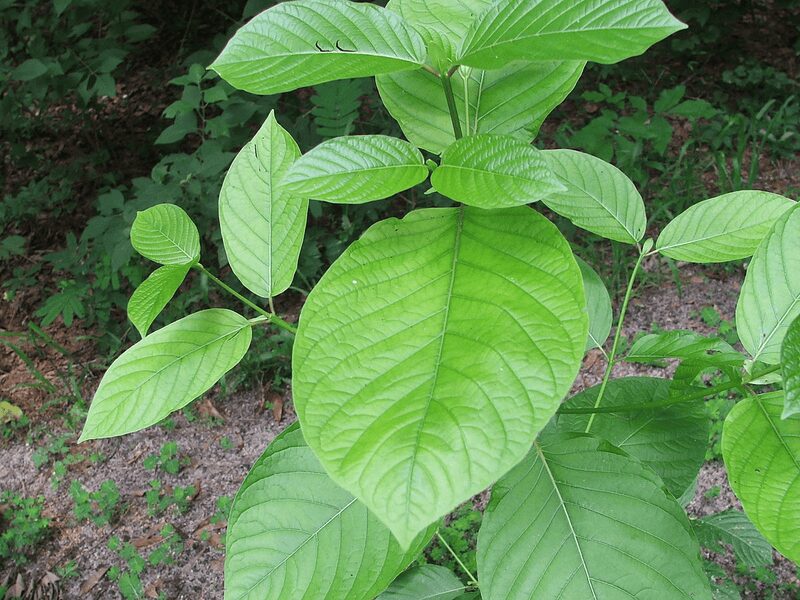
Kratom, a botanical substance derived from the leaves of the Mitragyna speciosa tree native to Southeast Asia, has seen a remarkable rise in popularity across the United States. In Florida, with its large population and diverse communities, kratom has found a substantial consumer base. People use it for a variety of reasons, from boosting energy to promoting relaxation. This growing demand has led to the opening of dedicated kratom bars and the sale of kratom products in smoke shops, gas stations, and wellness stores throughout the state.
Despite its widespread availability, the legal status of kratom in Florida exists in a state of tension. On one side, advocates and consumers champion it as a natural alternative that supports well-being. On the other, some health officials and lawmakers express concerns about its safety, potential for dependency, and lack of regulation by the Food and Drug Administration (FDA). This division has created a dynamic legal environment where kratom is permitted statewide but faces local prohibitions and the constant possibility of new legislative challenges. Understanding this context is key to grasping the current laws and what the future may hold for kratom in Florida.
Current Legal Status of Kratom in Florida (Statewide)
As of today, Florida maintains a clear position on kratom at the state level: it is legal. This means that for the vast majority of Floridians, there are no state laws prohibiting the purchase, possession, or use of kratom products. This statewide legality allows a thriving market to exist, from small online vendors to brick-and-mortar kava and kratom bars. However, the legality comes with an important and recently established condition.
The Statewide Position and Age Requirement
For years, Florida had no specific regulations governing the sale of kratom. This changed in 2023 when a new law went into effect. Under Florida Statute 877.30, it is now illegal to sell, deliver, or give kratom to any person under the age of 21. This law was a significant step, marking the state’s first official regulation of the substance. It aligns kratom with other age-restricted products like alcohol and tobacco, aiming to keep it out of the hands of minors and young adults. For consumers, this means you must be prepared to show identification when purchasing kratom from any reputable vendor in the state. This age restriction was seen by many as a compromise, addressing some safety concerns without resorting to a full prohibition.
The Absence of the Kratom Consumer Protection Act (KCPA)
While the age limit is a form of regulation, Florida has not yet adopted the comprehensive framework known as the Kratom Consumer Protection Act (KCPA). The KCPA is a piece of model legislation drafted by the American Kratom Association (AKA), a consumer advocacy group. Its goal is to create a safe, regulated market rather than an unregulated or prohibited one.
States that have passed the KCPA require vendors to:
- Register with a state agency.
- Adhere to strict labeling requirements, including listing ingredients and alkaloid content.
- Submit products for independent, third-party lab testing to check for contaminants like heavy metals, salmonella, and E. coli.
- Refrain from selling products that are adulterated or contain dangerous synthetic substances.
The absence of the KCPA in Florida creates a “buyer beware” market. Without these regulations, the quality and safety of kratom products can vary dramatically between vendors. Some companies voluntarily follow good manufacturing practices, but others may sell contaminated or mislabeled products, putting consumers at risk. This regulatory gap is a central point of debate in the state’s ongoing discussion about kratom’s future.
The Exception: Sarasota County’s Local Ban
While kratom is legal across most of Florida, there is one major exception that anyone living in or traveling to the state’s Gulf Coast must know about. Sarasota County stands as the only county in Florida to have enacted a complete ban on the substance, creating a legal island where state law does not apply.
A Closer Look at Ordinance No. 2014-036
In 2014, the Sarasota County Board of County Commissioners passed Ordinance No. 2014-036. This local law specifically lists the primary psychoactive alkaloids in kratom, mitragynine and 7-hydroxymitragynine, as “designer drugs.” The ordinance makes it unlawful for any person to “sell, offer for sale, purchase, possess, or use a designer drug.” Because kratom is defined as such, its sale, possession, and use are prohibited within the county’s jurisdiction. This includes the city of Sarasota, Venice, North Port, and Longboat Key.
The penalties for violating this ordinance can be serious. A violation is considered a misdemeanor and can result in fines up to $500 and potential jail time of up to 60 days. This means that a person legally purchasing kratom in neighboring Manatee County could face criminal charges simply by driving across the county line into Sarasota with the product in their car.
The Rationale Behind the Ban
The decision by Sarasota County officials to ban kratom was driven by public health and safety concerns. At the time the ordinance was passed, kratom was still relatively unknown to the general public, and reports from poison control centers and law enforcement raised alarms. The ordinance was part of a broader effort to crack down on synthetic drugs and other unregulated substances being sold in head shops. Officials cited the lack of FDA approval and the unknown long-term health effects as primary justifications for the ban. They opted for a prohibitive approach rather than waiting for state or federal guidance.
Implications for Residents and Visitors
The Sarasota County ban has significant real-world consequences. Residents who wish to use kratom must travel outside the county to purchase it and cannot legally bring it back home. Visitors and tourists who may be unaware of the local law are at risk of legal trouble. Kratom bars and retail shops that operate legally in nearby cities like Tampa or St. Petersburg cannot open locations within Sarasota County. This localized prohibition highlights the complex legal patchwork that governs kratom and serves as a reminder to always check local ordinances, not just state laws.
Legislative History: Past Attempts to Ban or Regulate Kratom
The current legal status of kratom in Florida did not happen by accident. It is the result of years of legislative battles, intense lobbying, and public debate. Several attempts have been made to either ban kratom statewide or implement regulations, and understanding this history provides insight into the potential direction of future laws.
Previous Bills and Their Fates
The fight over kratom in the Florida Legislature has been ongoing for nearly a decade. Here are a few key examples of proposed legislation:
- House Bill 183 (2017): This was one of the earliest significant attempts to ban kratom statewide. The bill sought to add mitragynine and 7-hydroxymitragynine to Florida’s list of Schedule I controlled substances, placing them in the same category as heroin and LSD. The bill generated a massive response from the kratom community, with consumers flooding lawmakers’ offices with calls and emails. The bill ultimately died in committee.
- Senate Bill 1002 (2019): This bill took a different approach. Instead of a ban, it proposed the Kratom Consumer Protection Act. It aimed to establish the 21-and-over age limit, require lab testing, and create labeling standards. While it had support from both consumers and some lawmakers looking for a middle ground, it also failed to advance through the legislative process.
- House Bill 1071 (2022): Another attempt to pass the KCPA, this bill gained some traction but ultimately stalled before a full vote. The failure of these regulatory bills often comes down to competing legislative priorities, a lack of broad consensus, or opposition from groups who still favor a complete ban.
These failed attempts show a clear pattern: efforts to ban kratom have been successfully fought back by public advocacy, while efforts to regulate it have struggled to gain enough momentum to become law.
The Role of Advocacy Groups
A major reason kratom remains legal in Florida is the organized and passionate work of advocacy groups, chiefly the American Kratom Association (AKA). When a bill like HB 183 is introduced, the AKA mobilizes its members to contact their representatives, share personal stories about how kratom has helped them, and present scientific evidence to lawmakers. This grassroots lobbying has been incredibly effective at countering the narrative that kratom is a dangerous street drug with no redeeming value. The AKA’s push for the KCPA is a strategic effort to provide a responsible solution that protects consumers and preserves access.
Understanding the Kratom Consumer Protection Act (KCPA)
At the heart of the debate over kratom’s future in Florida is the Kratom Consumer Protection Act. The KCPA is not a single federal law but a model bill that states can adopt and tailor to their specific needs. It represents a regulatory middle ground between an outright ban and a completely unchecked market. For consumers and vendors alike, its potential passage in Florida would be a game-changer.
What is the KCPA?
The core mission of the KCPA is to ensure that kratom products sold in the state are safe, pure, and properly labeled. It establishes a set of common-sense rules for the industry. Key provisions typically include:
- Age Restrictions: Prohibits the sale of kratom to individuals under a certain age, usually 18 or 21. Florida has already implemented the age 21 restriction, a key component of the KCPA.
- Labeling Requirements: Mandates that all kratom products be clearly labeled with their ingredients, the amount of mitragynine and 7-hydroxymitragynine they contain, and directions for safe use.
- Prohibition of Adulterants: Makes it illegal to sell any kratom product that contains dangerous non-kratom substances or synthetic alkaloids that could increase health risks.
- Lab Testing: Requires that kratom products be tested by an independent third-party laboratory to ensure they are free from dangerous levels of contaminants such as heavy metals, bacteria like salmonella, and mold.
- Registration and Penalties: Establishes a system for vendors to register with the state and outlines clear penalties, including fines and potential criminal charges, for those who violate the law.
Why Advocates Want the KCPA in Florida
Advocates for the KCPA argue that it benefits everyone. For consumers, it provides confidence that the products they are buying are safe and accurately represented. It eliminates the risk of purchasing kratom contaminated with lead or salmonella, which has been a documented problem in unregulated markets. For the industry, it levels the playing field, forcing all vendors to meet the same high standards and pushing out bad actors who cut corners on safety. For lawmakers, it offers a way to address public health concerns without resorting to a ban that would drive the market underground and criminalize thousands of residents. Passing the KCPA could legitimize the industry and protect it from future prohibition attempts.
Federal Oversight: The FDA and DEA’s Stance on Kratom
While Florida’s kratom laws are decided at the state and local levels, the federal government’s position casts a long shadow over the entire debate. The Food and Drug Administration (FDA) and the Drug Enforcement Administration (DEA) have both taken a critical view of kratom, and their actions could have a profound impact on its future legality everywhere, including Florida.
The FDA’s Position and Import Alerts
The FDA has been consistent in its warnings about kratom. The agency has not approved kratom for any medical use and views it as a substance with the potential for abuse. The FDA has issued numerous public warnings, citing concerns about its effects on the body and reports of adverse events. One of the agency’s most powerful tools is its ability to issue import alerts. The FDA’s “Import Alert 54-15” allows officials to detain and seize shipments of kratom at U.S. ports of entry without physical examination. This is done on the grounds that kratom is an unapproved new drug. This makes it difficult for some suppliers to maintain a consistent inventory and adds a layer of risk to the entire supply chain.
The DEA’s History with Kratom
The DEA’s involvement with kratom reached a critical point in 2016. In August of that year, the agency announced its intent to place kratom’s main alkaloids on the list of Schedule I controlled substances, the most restrictive category. This move would have made kratom federally illegal overnight. The announcement triggered a massive public outcry. Tens of thousands of people signed petitions, made calls to Congress, and shared personal testimonies. In an almost unprecedented move, the DEA withdrew its notice of intent in October 2016, citing the need to consider the public comments and to allow the FDA to complete a scientific and medical evaluation. While kratom remains unscheduled at the federal level, the DEA continues to monitor it and could revisit its decision in the future.
How Federal Actions Could Impact Florida Law
The possibility of federal action is the biggest unknown in the future of kratom. If the DEA were to successfully schedule kratom, or if Congress were to pass a law banning it, these federal actions would supersede Florida’s state law. A federal ban would make kratom illegal in all 50 states, regardless of any state-level protections or regulations. This is why national advocacy and the ongoing scientific research into kratom are so critical. The future of kratom in Florida is not just being decided in Tallahassee; it is also being shaped by decisions made in Washington, D.C.
Looking Ahead: Predicting Florida’s Kratom Laws in 2026
Predicting any law years in advance is difficult, but by analyzing current trends, legislative history, and the political climate, we can outline the most likely scenarios for kratom in Florida by 2026. The state is at a crossroads, and the path it takes will depend on the actions of lawmakers, the effectiveness of advocates, and public perception.
The Push for Regulation vs. Prohibition
The central conflict will continue to be between those who want to regulate kratom through the KCPA and those who want to ban it entirely. The momentum currently appears to be on the side of regulation. The passage of the age-21 law in 2023 shows that the legislature is willing to address kratom with specific rules rather than an outright ban. This incremental step could pave the way for a more comprehensive regulatory framework in the coming years. However, a high-profile public health incident linked to kratom or a shift in the political makeup of the legislature could easily reignite the push for a statewide ban.
Potential Scenarios for 2026
- Scenario 1: The KCPA is Passed. This is the most optimistic outcome for kratom consumers and the industry. Florida would join a growing list of states with a regulated market. Products would be tested, properly labeled, and sold only to adults. This would provide safety for consumers and stability for businesses.
- Scenario 2: The Status Quo Continues. It is also possible that the legislative stalemate continues. In this scenario, no new laws are passed. Kratom would remain legal for those 21 and over statewide but would still be banned in Sarasota County. The market would stay unregulated, leaving consumers to do their own research to find safe and reliable vendors.
- Scenario 3: A Renewed Push for a Ban. This is the worst-case scenario for advocates. A new bill to classify kratom as a Schedule I substance could be introduced. If it were to gain more support than past attempts, Florida could join the handful of states where kratom is illegal. This would criminalize users and shut down hundreds of businesses across the state.
How to Stay Informed
For anyone with an interest in the future of kratom in Florida, staying informed and engaged is crucial. You can follow the legislative sessions on the official Florida Senate and House of Representatives websites. Advocacy groups like the American Kratom Association provide regular updates on pending legislation and calls to action. Finally, it is always a good idea to periodically check for any new ordinances at your local county or city level, as the Sarasota County case demonstrates.
Conclusion
To summarize, kratom is currently legal in Florida for adults aged 21 and older, with the notable exception of a complete ban within Sarasota County. The state has taken a preliminary step toward regulation by imposing an age limit, but it has yet to adopt the full consumer protections offered by the Kratom Consumer Protection Act. This leaves the market in a precarious position, caught between widespread availability and a lack of official safety standards. The future of kratom in Florida hinges on the ongoing legislative debate, the influence of public advocacy, and any potential actions at the federal level.
If you are a kratom consumer or simply a concerned citizen, the most powerful action you can take is to stay educated and make your voice heard. Familiarize yourself with the arguments for regulation and support organizations that are working to ensure safe and legal access. The conversation around kratom is evolving rapidly, and informed public participation will be the deciding factor in shaping Florida’s laws for 2026 and beyond. Your engagement can help steer the state toward a future of safe, regulated, and legal access.